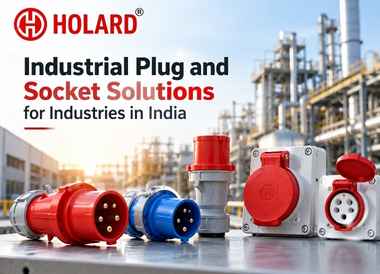
How to Choose the Right Industrial Plug and Socket

How to Choose the Right Industrial Plug and Socket

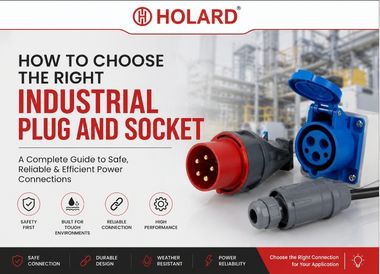
Industrial electrical systems require dependable power connections that can perform safely under demanding working conditions. Unlike household electrical connectors, industrial plugs and sockets are specifically engineered to handle high electrical loads, harsh environments, and continuous operation. Whether you manage a manufacturing plant, construction site, warehouse, food processing unit, or commercial facility, selecting the right Industrial Plug and Socket plays a significant role in ensuring safety, productivity, and equipment reliability.

A poor electrical connection can lead to equipment failure, unexpected downtime, higher maintenance costs, and workplace safety risks. On the other hand, a high-quality industrial plug and socket provides a secure electrical connection that supports efficient operations while protecting workers and valuable machinery.

Modern industries rely on electrical equipment more than ever before. As automation, heavy-duty machinery, and smart manufacturing continue to grow, the demand for reliable industrial electrical accessories also increases. Therefore, choosing the correct industrial plug and socket is no longer just a purchasing decision. It is an investment in operational efficiency and long-term business success.

This comprehensive guide explains everything you need to know before selecting an industrial plug and socket. You will learn how these connectors work, why they matter, the available types, their major components, and the important factors to consider before making your final decision.

What Is an Industrial Plug and Socket and Why Is It Important

What Is an Industrial Plug and Socket and Why Is It Important

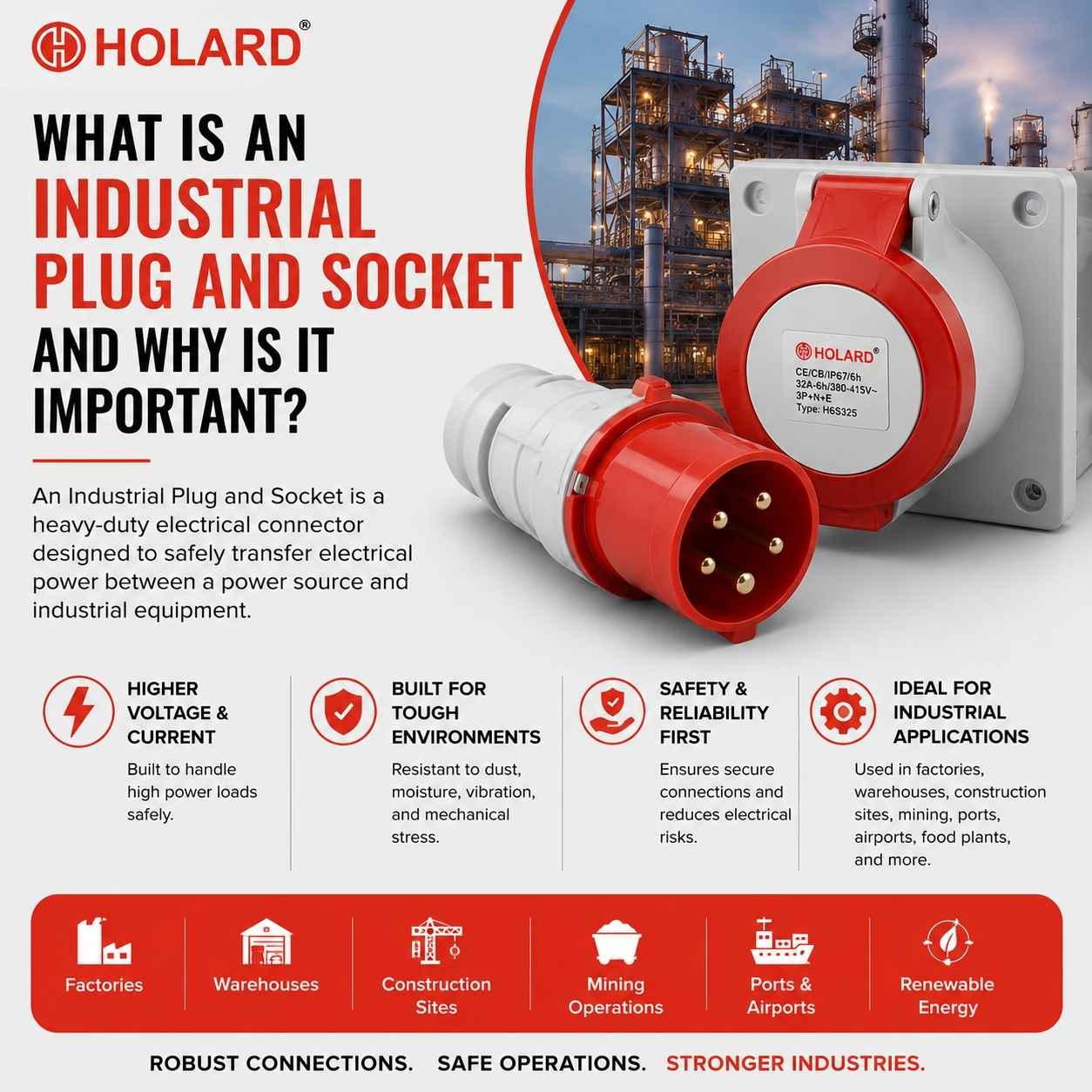
An Industrial Plug and Socket is a heavy-duty electrical connector designed to safely transfer electrical power between a power source and industrial equipment. Unlike ordinary household plugs, industrial connectors are manufactured to withstand higher voltage, higher current, mechanical stress, dust, moisture, vibration, and continuous operation.

These connectors are widely used in factories, warehouses, construction sites, mining operations, ports, airports, food processing plants, commercial buildings, and renewable energy projects. Their robust construction makes them suitable for environments where safety and reliability are essential.

Why Industrial Plug and Socket Systems Matter

Industrial facilities depend on uninterrupted electrical power every day. Even a few minutes of downtime can interrupt production schedules, delay deliveries, and increase operating costs.

An industrial plug and socket helps businesses maintain stable electrical connections by providing:

  • Reliable power transmission
  • Secure electrical connections
  • Better equipment protection
  • Reduced maintenance
  • Improved worker safety
  • Long service life

Unlike domestic electrical connectors, industrial connectors are designed for repeated use under challenging conditions. They continue delivering reliable performance even when exposed to vibration, dust, moisture, and frequent cable movement.

How Does an Industrial Plug and Socket Work

Every industrial plug and socket consists of two main components.

The plug connects to the electrical cable, while the socket receives the plug and transfers electrical power to the connected equipment.

Inside the connector, specially designed contacts create a secure electrical connection. Most industrial models also include grounding contacts and locking mechanisms that improve safety while preventing accidental disconnection.

Once connected, electricity flows safely through the contact points to the industrial machine or equipment.

Because the connection remains stable, machines operate efficiently with minimal interruption.

Types of Industrial Plug and Socket

Selecting the correct connector depends on several factors, including voltage, current rating, operating environment, and equipment requirements.

Understanding the available types makes the buying process much easier.

1. Single Phase Industrial Plug and Socket

Single-phase connectors are commonly used for light and medium-duty industrial equipment.

Typical applications include:

  • Portable electrical tools
  • Workshop equipment
  • Commercial appliances
  • Maintenance machines
  • Small compressors

These connectors are compact, reliable, and easy to install.

2. Three Phase Industrial Plug and Socket

Three-phase industrial connectors deliver greater electrical power for demanding industrial applications.

They are widely used for:

  • Industrial motors
  • Manufacturing machines
  • CNC equipment
  • Heavy compressors
  • Production lines
  • Material handling systems

Because three-phase power provides higher efficiency, many industrial facilities rely on these connectors for continuous production.

3. Waterproof Industrial Plug and Socket

Outdoor electrical installations often face rain, humidity, and water exposure.

Waterproof industrial connectors include protective sealing that prevents water from entering the electrical contacts.

These products are ideal for:

  • Construction sites
  • Marine applications
  • Agricultural equipment
  • Outdoor manufacturing
  • Mining operations

They continue operating safely even in difficult weather conditions.

4. Weather Resistant Industrial Plug and Socket

Some industrial environments expose electrical equipment to dust, sunlight, chemicals, and extreme temperatures.

Weather-resistant industrial connectors provide additional protection against environmental damage while maintaining dependable performance throughout the year.

5. High Current Industrial Plug and Socket

Heavy industrial machinery requires connectors capable of handling large electrical loads safely.

High-current industrial connectors are commonly installed in:

  • Large manufacturing facilities
  • Heavy processing plants
  • Generator systems
  • Industrial power distribution
  • Steel plants

These connectors reduce overheating while supporting continuous electrical demand.

Main Components of an Industrial Plug and Socket

Understanding the internal components helps buyers compare products more effectively.

1. Heavy Duty Housing

The outer housing protects the connector from impact, dust, moisture, and chemicals.

Manufacturers usually use engineering-grade thermoplastics because they offer excellent mechanical strength while resisting corrosion and weather damage.

A durable housing significantly extends product life.

2. Electrical Contacts

Electrical contacts transfer electrical current between the plug and socket.

Premium industrial connectors use highly conductive materials that reduce electrical resistance while improving efficiency.

High-quality contacts also minimize heat generation during long operating hours.

3. Grounding Pin

Safety remains one of the most important advantages of industrial connectors.

The grounding pin connects before the live contacts, providing additional protection against electrical faults and reducing the possibility of electric shock.

4. Locking Mechanism

Many industrial plug and socket systems include mechanical locking devices.

These locking systems prevent accidental unplugging caused by:

  • Machine vibration
  • Cable tension
  • Equipment movement
  • Operator handling

A secure connection helps maintain uninterrupted power while improving workplace safety.

5. Cable Gland

The cable gland seals the cable entry point and protects internal electrical parts from dust and moisture.

It also reduces cable strain, improving durability during daily industrial operation.

Key Features That Make Industrial Plug and Socket Reliable

Key Features That Make Industrial Plug and Socket Reliable

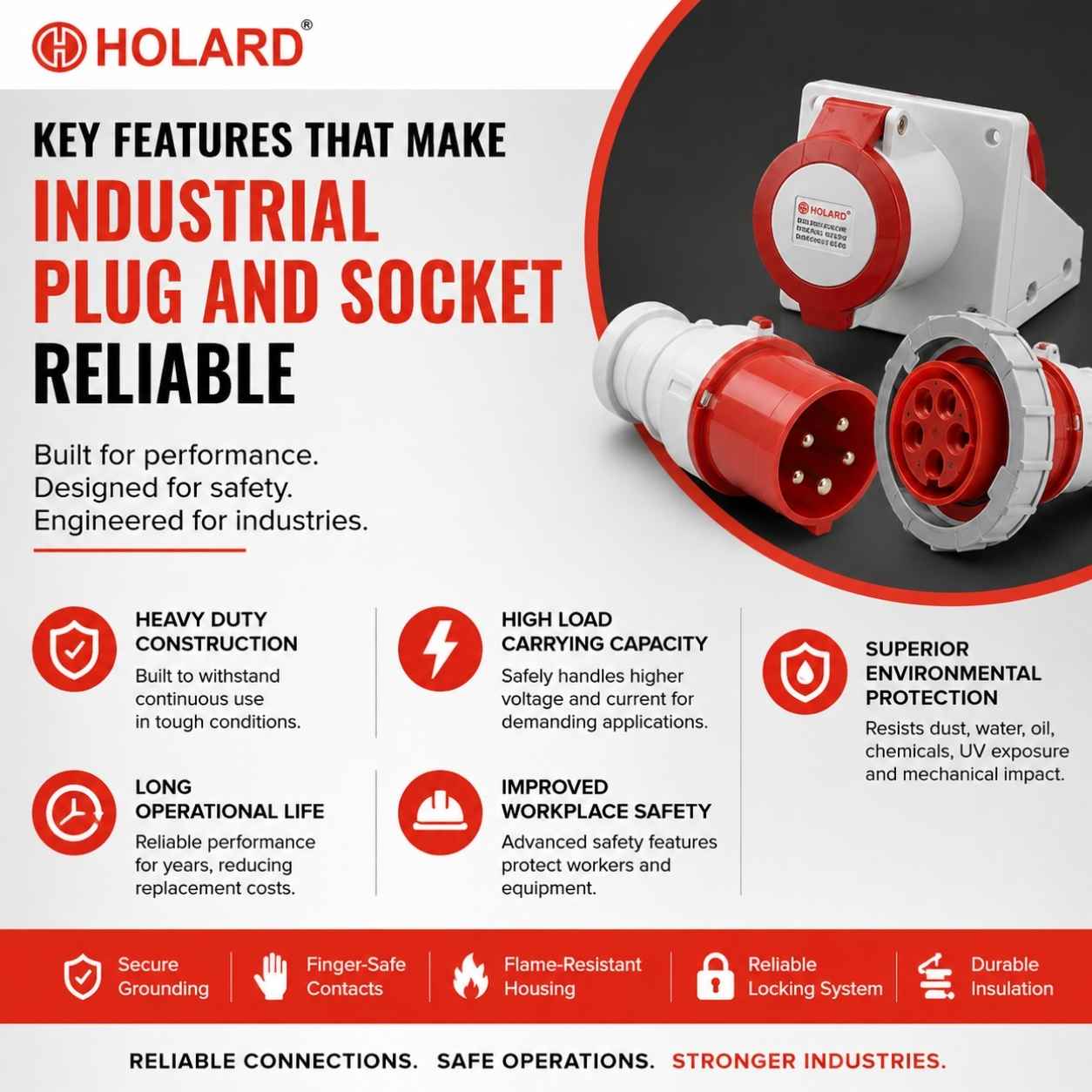
Industrial connectors differ from standard electrical plugs because they include advanced safety and durability features.

Heavy Duty Construction

Industrial environments demand equipment that performs reliably every day.

Heavy-duty construction allows industrial connectors to withstand continuous use without compromising electrical performance.

High Load Carrying Capacity

Industrial connectors safely handle higher voltage and current ratings compared to domestic electrical plugs.

This capability supports demanding industrial applications without excessive heat generation.

Superior Environmental Protection

Many industrial connectors resist:

  • Dust
  • Water
  • Oil
  • Chemicals
  • UV exposure
  • Mechanical impact

This protection improves reliability in both indoor and outdoor installations.

Long Operational Life

High-quality industrial connectors remain dependable for years with proper installation and routine maintenance.

Their long service life reduces replacement costs while increasing operational efficiency.

Improved Workplace Safety

Modern industrial plug and socket systems include multiple safety features that help protect workers and equipment.

These include:

  • Secure grounding
  • Finger-safe contacts
  • Flame-resistant housing
  • Reliable locking systems
  • Durable insulation

Together, these features reduce electrical hazards while supporting a safer industrial workplace.

Why Choosing the Right Industrial Plug and Socket Matters

Choosing the wrong electrical connector may result in equipment damage, production delays, and increased maintenance costs.

Selecting the correct industrial plug and socket helps businesses:

  • Improve electrical safety
  • Increase equipment reliability
  • Reduce downtime
  • Lower maintenance expenses
  • Improve energy efficiency
  • Extend equipment lifespan

Instead of selecting a connector based only on price, evaluate build quality, electrical ratings, environmental protection, compatibility, and safety certifications.

A well-informed purchasing decision delivers better long-term value while supporting reliable industrial operations.

Industrial Plug and Socket Applications Across Industries

An Industrial Plug and Socket is one of the most widely used electrical connection solutions across different industries. Every industrial sector depends on safe and reliable power to operate machinery efficiently. Therefore, selecting the right connector improves productivity while reducing operational risks.

Manufacturing Industry

Manufacturing plants operate heavy machinery throughout the day. Production lines, robotic systems, CNC machines, and industrial motors require stable electrical connections to maintain continuous operation.

Industrial plug and socket systems help manufacturers reduce unexpected downtime while ensuring reliable power distribution across the facility.

Construction Sites

Construction projects require portable electrical equipment that frequently moves from one location to another.

Industrial connectors safely power:

  • Welding machines
  • Concrete mixers
  • Portable lighting
  • Air compressors
  • Power tools
  • Temporary electrical panels

Because these connectors are built for harsh environments, they continue performing even in dusty and wet conditions.

Warehouses and Distribution Centers

Modern warehouses use automation to improve efficiency. Conveyor systems, loading equipment, battery charging stations, and material handling machines all depend on reliable electrical connections.

Industrial plug and socket solutions support uninterrupted warehouse operations.

Food and Beverage Industry

Food processing facilities require electrical equipment that operates safely in environments exposed to water and regular cleaning.

Industrial connectors with suitable environmental protection provide dependable performance while supporting hygiene requirements.

Renewable Energy Projects

Solar power plants and wind farms rely on industrial electrical connectors for installation, maintenance, and power distribution.

Reliable connectors improve system performance while reducing maintenance costs over the long term.

Benefits of Choosing the Right Industrial Plug and Socket

Selecting the correct connector provides advantages that extend far beyond electrical connectivity.

Better Workplace Safety

Electrical safety remains a top priority in every industrial environment.

A quality industrial plug and socket includes secure locking systems, insulated contacts, and reliable grounding that help reduce electrical hazards.

As a result, employees can work with greater confidence around electrical equipment.

Reliable Power Distribution

Stable electrical connections improve equipment performance.

Reliable power reduces voltage fluctuations, minimizes interruptions, and supports continuous production.

Lower Maintenance Costs

High-quality industrial connectors resist wear, corrosion, dust, moisture, and mechanical damage.

Consequently, businesses spend less on repairs and replacements.

Increased Equipment Life

Electrical equipment performs better when it receives stable power.

Proper connectors reduce unnecessary electrical stress and help extend the service life of valuable industrial machinery.

Improved Business Productivity

Every minute of downtime affects production schedules and operating costs.

Reliable industrial plug and socket systems help maintain continuous workflow, allowing businesses to improve efficiency and customer satisfaction.

Industrial Plug and Socket Selection Guide

Selection Factor What to Check Why It Matters
Voltage Rating Match your equipment voltage Prevents electrical faults and equipment damage
Current Rating Choose the correct amperage Ensures safe and reliable power delivery
Number of Pins Select the required pin configuration Provides proper electrical compatibility
IP Rating Check dust and water protection Improves performance in harsh environments
Operating Environment Indoor or outdoor installation Increases durability and product life
Safety Features Grounding and locking mechanism Enhances workplace safety
Material Quality Heavy-duty housing and contacts Resists wear, corrosion, and impact
Industry Application Match the connector to the equipment Improves efficiency and long-term reliability

How to Choose the Right Industrial Plug and Socket

Choosing the correct industrial connector requires careful planning.

Instead of focusing only on price, evaluate the complete application.

Understand Your Voltage Requirements

Every industrial machine operates within a specific voltage range.

Always verify the required voltage before purchasing an industrial plug and socket.

Using an incorrect voltage rating may damage equipment and create unnecessary safety risks.

Check the Current Rating

Current rating determines how much electrical load a connector can safely carry.

Select a connector that matches or exceeds the equipment’s electrical requirements.

Avoid overloading connectors because excessive current generates heat and shortens product life.

Consider the Installation Environment

Environmental conditions influence connector performance.

Evaluate:

  • Indoor or outdoor installation
  • Dust exposure
  • Moisture levels
  • Chemical exposure
  • Ambient temperature
  • Mechanical vibration

Selecting a connector designed for these conditions improves durability.

Choose the Correct IP Rating

IP ratings indicate protection against dust and water.

Higher IP ratings are recommended for outdoor installations or demanding industrial environments where moisture and contaminants are present.

Verify Product Quality

Before purchasing, inspect:

  • Housing material
  • Contact quality
  • Locking mechanism
  • Cable gland
  • Grounding system
  • Safety certification

Quality products provide greater reliability over many years of operation.

Buy from a Trusted Manufacturer

An experienced manufacturer focuses on quality control, product testing, and international standards.

Choosing a trusted supplier helps ensure dependable performance and long-term customer satisfaction.

Common Mistakes to Avoid

Many buyers unknowingly select electrical connectors that fail to meet their application requirements.

Avoid these common mistakes.

Choosing Based Only on Price

Low-cost products may reduce initial expenses but often require frequent replacement.

Instead, evaluate product quality, durability, and overall value.

Ignoring Environmental Conditions

Outdoor applications require connectors with appropriate environmental protection.

Using indoor connectors outside may reduce performance and create safety concerns.

Using Incorrect Electrical Ratings

Always confirm voltage and current ratings before installation.

Incorrect specifications may cause equipment damage or electrical failure.

Skipping Preventive Maintenance

Even premium connectors benefit from regular inspection.

Routine maintenance identifies worn contacts, damaged housings, and loose cable connections before they become major problems.

Maintenance Tips for Long Lasting Performance

Regular maintenance helps maximize the performance and lifespan of every industrial plug and socket.

Follow these simple practices.

Inspect Connectors Regularly

Check for:

  • Cracks
  • Burn marks
  • Loose contacts
  • Corrosion
  • Damaged insulation
  • Worn locking mechanisms

Early inspection helps prevent costly repairs.

Keep Connectors Clean

Dust and moisture reduce electrical performance.

Clean connectors regularly using appropriate cleaning methods and ensure they remain dry before reconnecting equipment.

Replace Damaged Parts Immediately

Never continue operating damaged electrical connectors.

Replacing worn components protects both employees and equipment while improving workplace safety.


People Also Ask About Industrial Plug and Socket

An Industrial Plug and Socket is a heavy-duty electrical connector designed to safely supply power to industrial equipment. It is built to handle higher voltage, higher current, and harsh working environments.

Was this helpful?

Choose an Industrial Plug and Socket based on voltage, current rating, IP protection, operating environment, pin configuration, and equipment compatibility to ensure safe and reliable performance.

Was this helpful?

Industrial Plug and Socket systems are designed for heavy-duty applications with enhanced safety, durability, and higher electrical capacity, while standard plugs are intended for household use.

Was this helpful?

The most common types include single-phase, three-phase, waterproof, weather-resistant, and high-current Industrial Plug and Socket systems for different industrial applications.

Was this helpful?

The IP rating indicates the level of protection against dust and water. Choosing the correct IP rating helps improve safety and ensures reliable operation in challenging environments.

Was this helpful?

Industrial Plug and Socket systems are widely used in manufacturing, construction, warehouses, food processing, mining, marine, renewable energy, and commercial facilities.

Was this helpful?

Inspect Industrial Plug and Socket systems regularly as part of preventive maintenance. Frequent inspections help identify wear, loose connections, or damage before they affect performance.

Was this helpful?

Yes. Outdoor installations require an Industrial Plug and Socket with a suitable IP rating that protects against moisture, dust, and other environmental conditions.

Was this helpful?

A quality Industrial Plug and Socket should include grounding protection, a secure locking mechanism, durable insulation, corrosion-resistant contacts, and a robust housing for safe operation.

Was this helpful?

A high-quality Industrial Plug and Socket improves workplace safety, ensures reliable power distribution, reduces maintenance costs, minimizes downtime, and extends the lifespan of industrial equipment.

Was this helpful?

Final Thoughts on Choosing the Right Industrial Plug and Socket

Selecting the right Industrial Plug and Socket is essential for maintaining safe, efficient, and reliable industrial operations. A properly chosen connector supports uninterrupted power distribution, protects valuable equipment, and improves workplace safety.

Before purchasing, evaluate your electrical requirements, environmental conditions, equipment compatibility, and product quality. Investing in durable industrial connectors reduces maintenance costs, minimizes downtime, and increases operational efficiency.

Whether you operate a manufacturing facility, warehouse, construction site, food processing plant, or renewable energy project, choosing high-quality industrial electrical connectors is a smart long-term investment.

If you are looking for dependable industrial electrical solutions, explore Holard range of industrial plugs and sockets designed to deliver reliable performance in demanding industrial environments.

Looking for a dependable Industrial Plug and Socket for your industrial applications?

Explore Holard range of high-quality industrial electrical solutions designed for safety, durability, and long-lasting performance. Find the right connector for your business and keep your operations running efficiently.

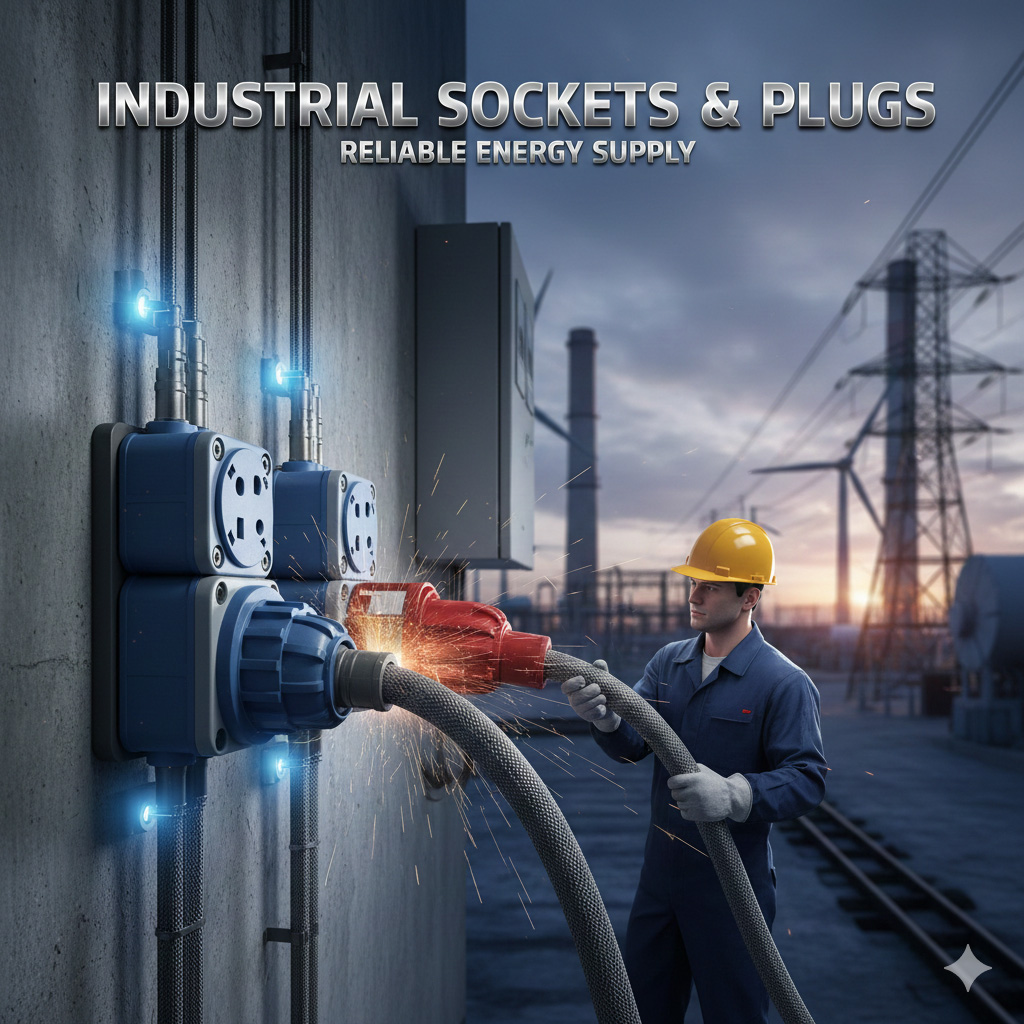
    Top Industrial Sockets and Plugs for Reliable Energy Supply India

    Top Industrial Sockets and Plugs for Reliable Energy Supply

    Best Industrial Sockets and Plugs for Energy Safety

    In modern industrial environments, uninterrupted power is not a luxury—it is a necessity. From manufacturing plants and warehouses to construction sites and energy facilities, reliable electrical connections keep operations running safely and efficiently. At the heart of this power infrastructure are industrial sockets and plugs, components that are often overlooked but critically important.

    Industrial sockets and plugs are designed to handle high electrical loads, extreme environmental conditions, and continuous usage without failure. Choosing the right industrial connectors can significantly reduce downtime, improve worker safety, and protect expensive equipment from electrical hazards.

    This comprehensive guide explores why industrial sockets and plugs matter, how they ensure a reliable energy supply, key types and standards, and what buyers should consider when selecting the best solutions for industrial applications.

    Industrial Sockets and Plugs for Reliable Energy Supply

    What Are Industrial Sockets and Plugs

    Industrial sockets and plugs are heavy-duty electrical connectors used to safely connect power sources to machinery, tools, and equipment in demanding environments. Unlike domestic connectors, these are built for:

    • High voltage and current ratings

    • Frequent connection and disconnection

    • Exposure to dust, moisture, chemicals, and heat

    • Mechanical stress and vibration

    They are commonly used in industries such as manufacturing, mining, oil and gas, construction, logistics, power generation, and food processing.

    Why Reliable Energy Supply Matters in Industry

    A reliable energy supply directly impacts productivity, safety, and profitability. Poor electrical connections can lead to:

    • Unexpected power failures

    • Equipment damage

    • Production downtime

    • Fire hazards and electrical accidents

    • Increased maintenance costs

    High-quality industrial sockets and plugs help eliminate these risks by ensuring stable power transmission even in harsh conditions. This reliability is essential for automated systems, heavy machinery, and mission-critical operations.

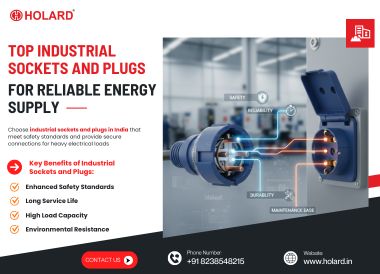
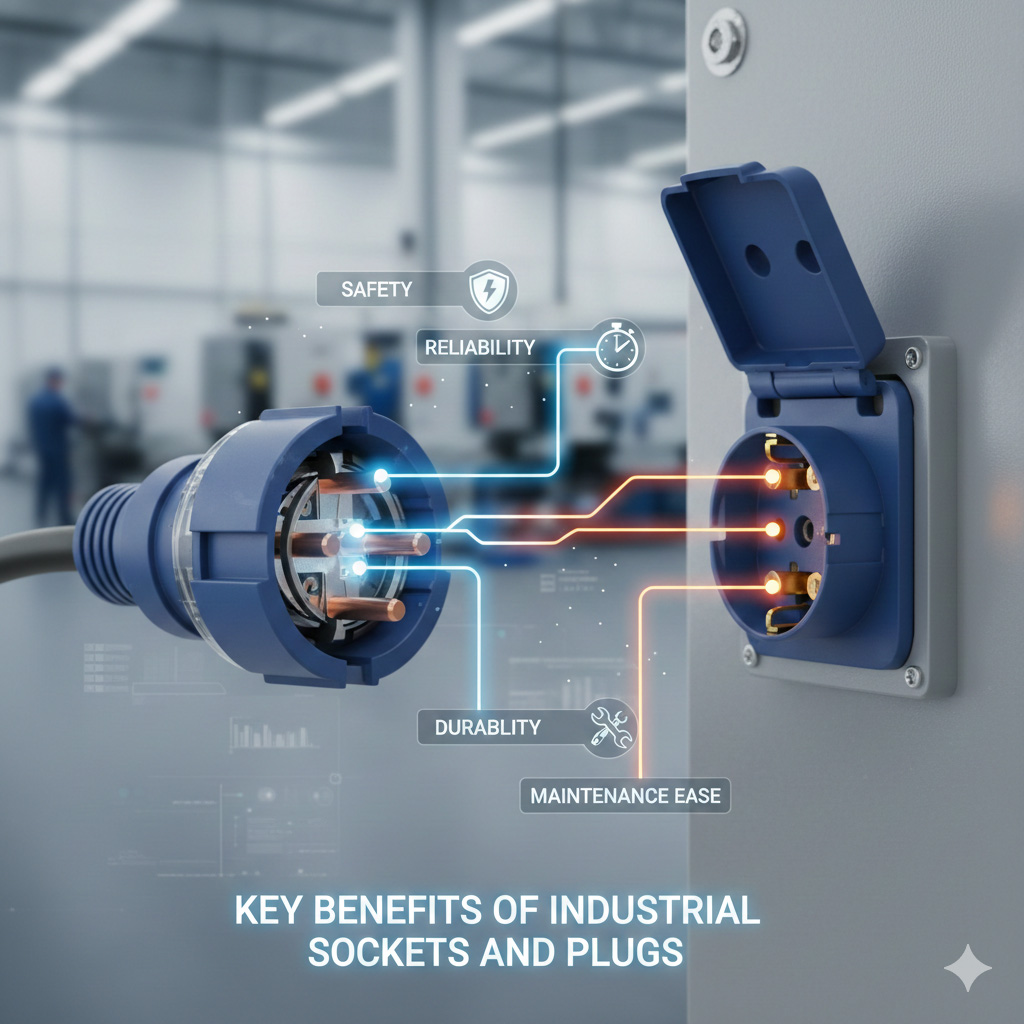
    Key Benefits of Industrial Sockets and Plugs

    Key Benefits of Industrial Sockets and Plugs
    1. Enhanced Safety Standards

    Industrial sockets and plugs are designed with safety as a priority. Features such as locking mechanisms, insulated housings, and earth protection reduce the risk of electric shock and accidental disconnection.

    2. Long Service Life

    Made from robust materials like high-grade thermoplastics, rubber, and corrosion-resistant metals, industrial connectors are built to last. This durability minimizes replacement frequency and long-term costs.

    3. High Load Capacity

    Industrial connectors support higher current and voltage ratings, making them suitable for heavy equipment and continuous operation without overheating.

    4. Environmental Resistance

    Many industrial sockets and plugs are rated for water and dust protection, ensuring reliable performance in outdoor or washdown environments.

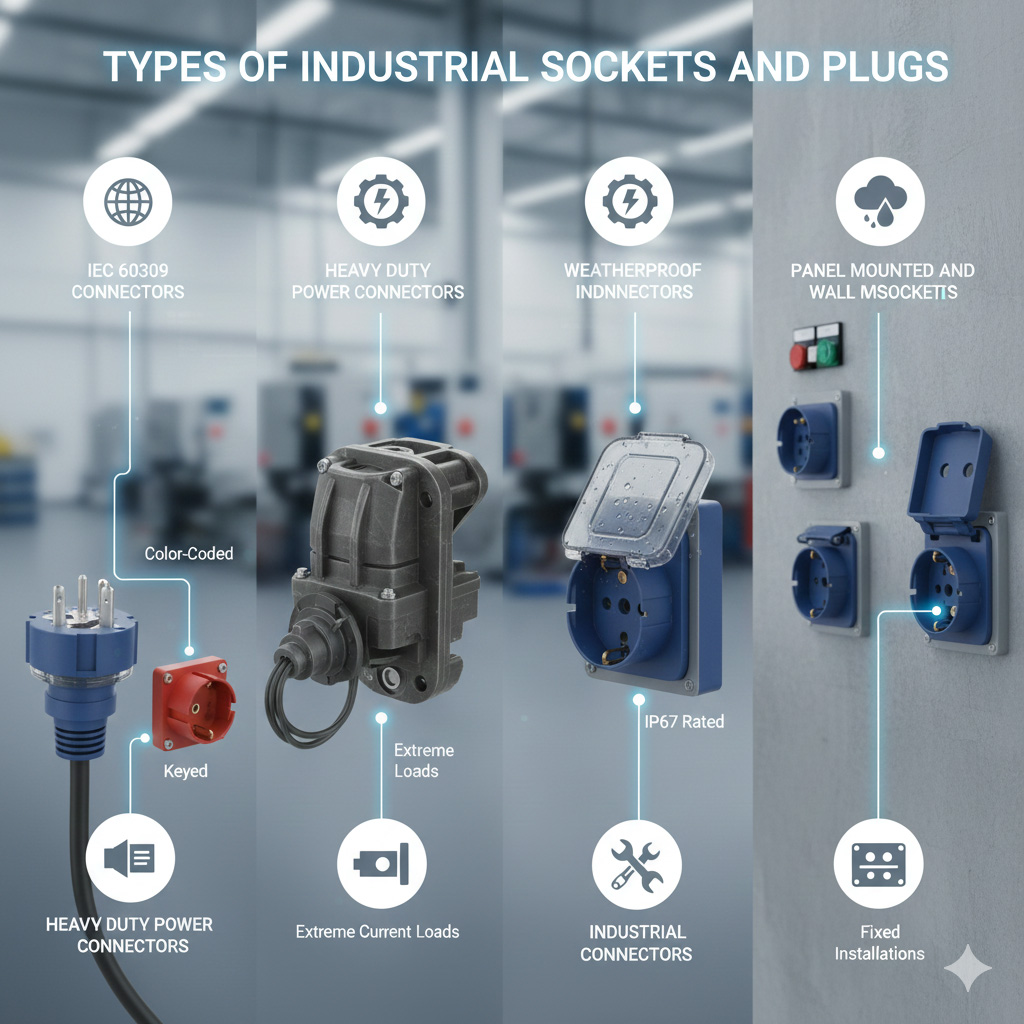
    Types of Industrial Sockets and Plugs

    Types of Industrial Sockets and Plugs

    1. IEC 60309 Connectors

    These are among the most widely used industrial connectors worldwide. IEC 60309 sockets and plugs are color-coded and keyed to prevent mismatched connections, enhancing safety and compliance.

    2. Heavy Duty Power Connectors

    Designed for extreme current loads, these connectors are ideal for mining, power generation, and large machinery applications.

    3. Weatherproof Industrial Connectors

    These connectors offer high ingress protection ratings, making them suitable for outdoor installations and harsh environments.

    4. Panel Mounted and Wall Mounted Sockets

    Used in control panels and fixed installations, these provide organized and secure power distribution within industrial facilities.

    Importance of IP Ratings in Industrial Sockets and Plugs

    Ingress Protection ratings define how well a socket or plug resists dust and water. Common ratings include:

    • IP44 for splash protection

    • IP67 for temporary water immersion

    • IP68 for continuous immersion

    Choosing the right IP rating ensures uninterrupted power supply and reduces the risk of electrical failure due to environmental exposure.

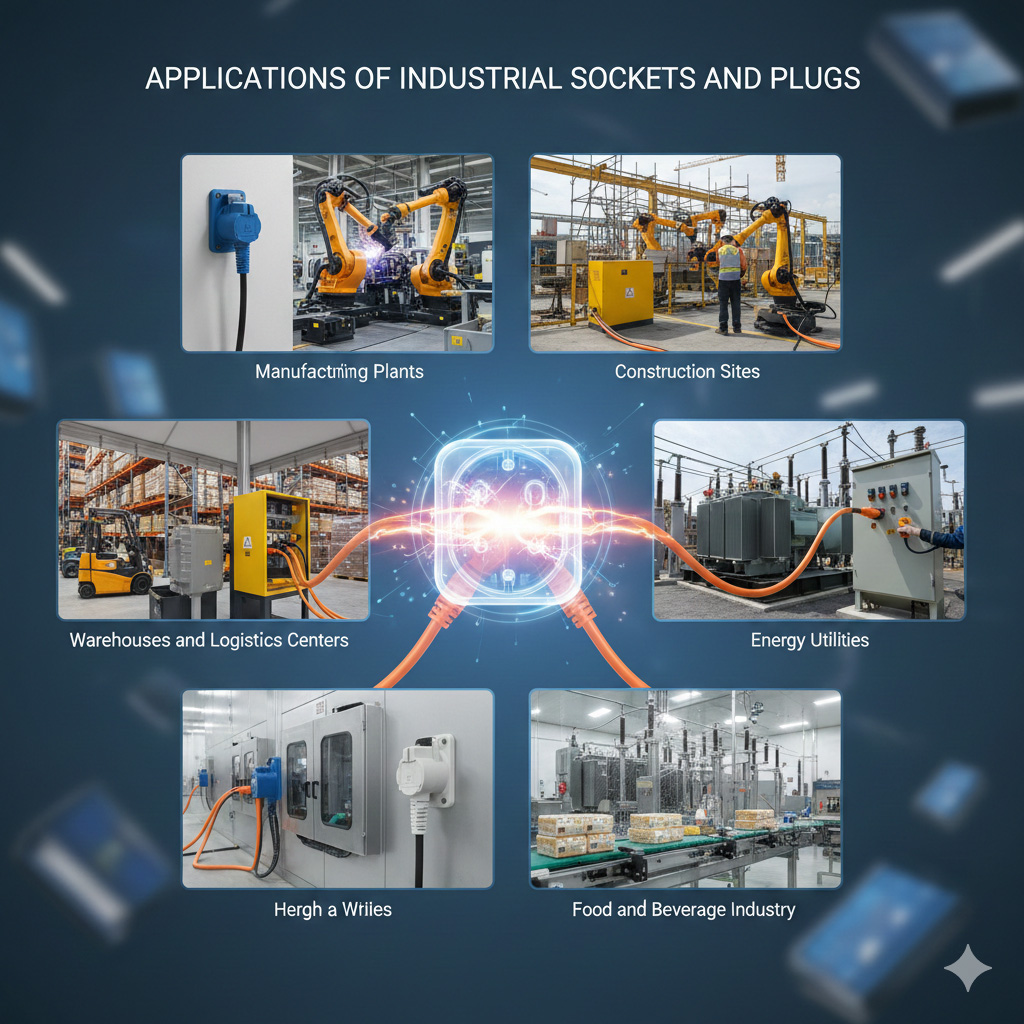
    Applications of Industrial Sockets and Plugs

    Applications of Industrial Sockets and Plugs
    1. Manufacturing Plants

    Used to power production lines, robotic systems, and heavy machinery.

    2. Construction Sites

    Provide safe and portable power connections for tools and temporary equipment.

    3. Warehouses and Logistics Centers

    Support automated conveyors, forklifts, and charging stations.

    4. Energy and Utilities

    Essential for generators, transformers, and distribution equipment.

    5. Food and Beverage Industry

    Hygienic and waterproof connectors are critical for washdown areas.

    How to Choose the Right Industrial Sockets and Plugs

    Evaluate Power Requirements

    Determine voltage, current rating, and frequency before selecting a connector.

    Consider Environmental Conditions

    Choose materials and IP ratings suitable for heat, moisture, dust, or chemicals.

    Check Compliance and Certifications

    Ensure connectors meet international and regional standards for safety and performance.

    Prioritize Ease of Installation

    Well-designed connectors reduce installation time and maintenance effort.

    Role of Industrial Sockets and Plugs in Energy Efficiency

    Reliable connectors reduce power losses caused by loose connections or overheating. This efficiency contributes to:

    • Lower energy consumption

    • Reduced equipment wear

    • Improved sustainability goals

    In industries focused on energy optimization, upgrading to high-quality industrial sockets and plugs can deliver measurable benefits.

    Maintenance Tips for Long-Term Reliability
    • Inspect connectors regularly for wear or damage

    • Clean sockets and plugs to prevent dust buildup

    • Replace worn components immediately

    • Ensure proper installation and tightening

    Proactive maintenance helps maintain a stable energy supply and extends equipment lifespan.

    Future Trends in Industrial Power Connectivity
    • The demand for smarter, safer, and more efficient industrial power solutions is growing. Future industrial sockets and plugs are expected to feature:

      • Enhanced safety monitoring

      • Improved materials for extreme environments

      • Compatibility with smart industrial systems

      As industries move toward automation and digitalization, reliable power connectors will continue to play a crucial role.

    Reliable Industrial Sockets and Plugs for Factories India
    Conclusion:

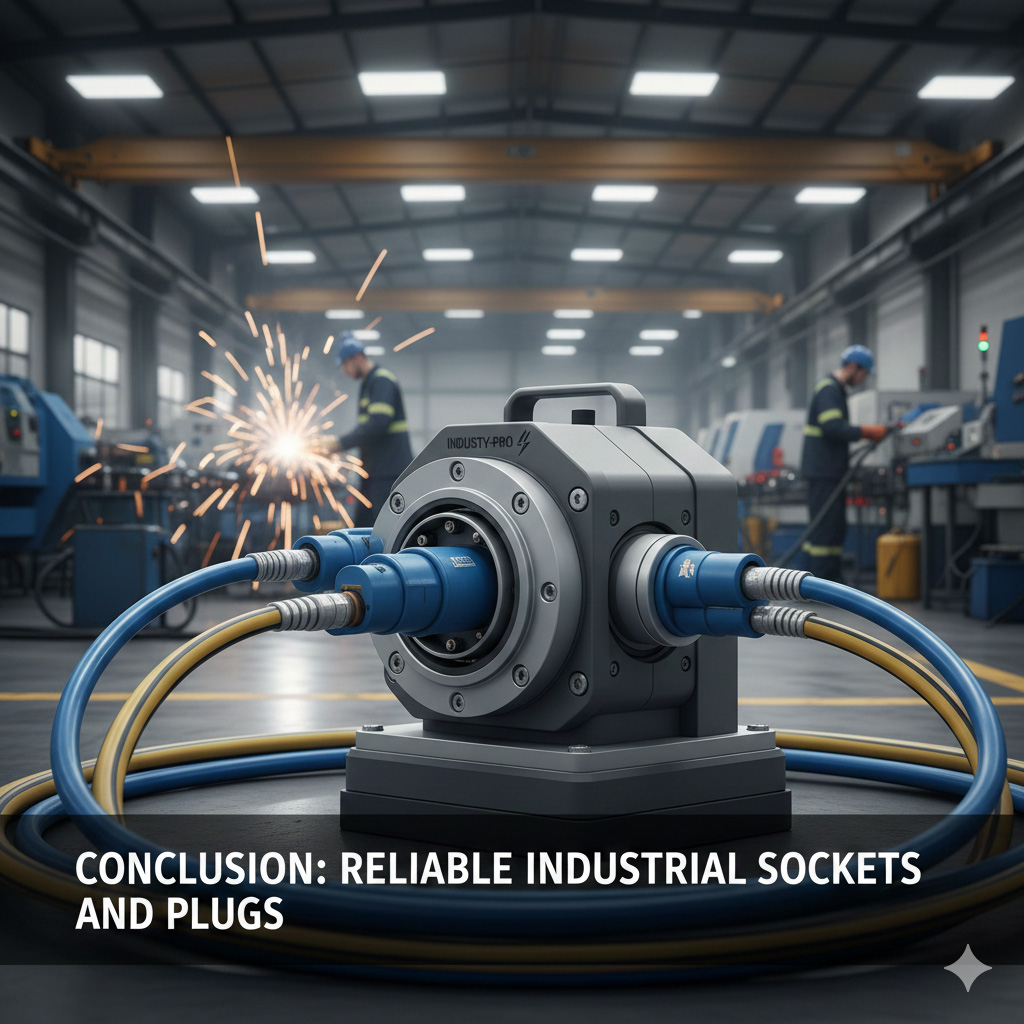
    Reliable Industrial Sockets and Plugs for Factories

    Industrial sockets and plugs are fundamental components of a reliable energy supply system. Their impact on safety, efficiency, and operational continuity makes them a critical investment for any industrial facility.

    By choosing the right industrial sockets and plugs, businesses can reduce downtime, protect equipment, and ensure safe power distribution across all operations. Whether for manufacturing, construction, or energy sectors, high-quality industrial connectors are essential for long-term success.


    Industrial Plugs and Sockets That Maximize Safety & Lifespan

    Industrial Plugs and Sockets That Maximize Safety & Lifespan

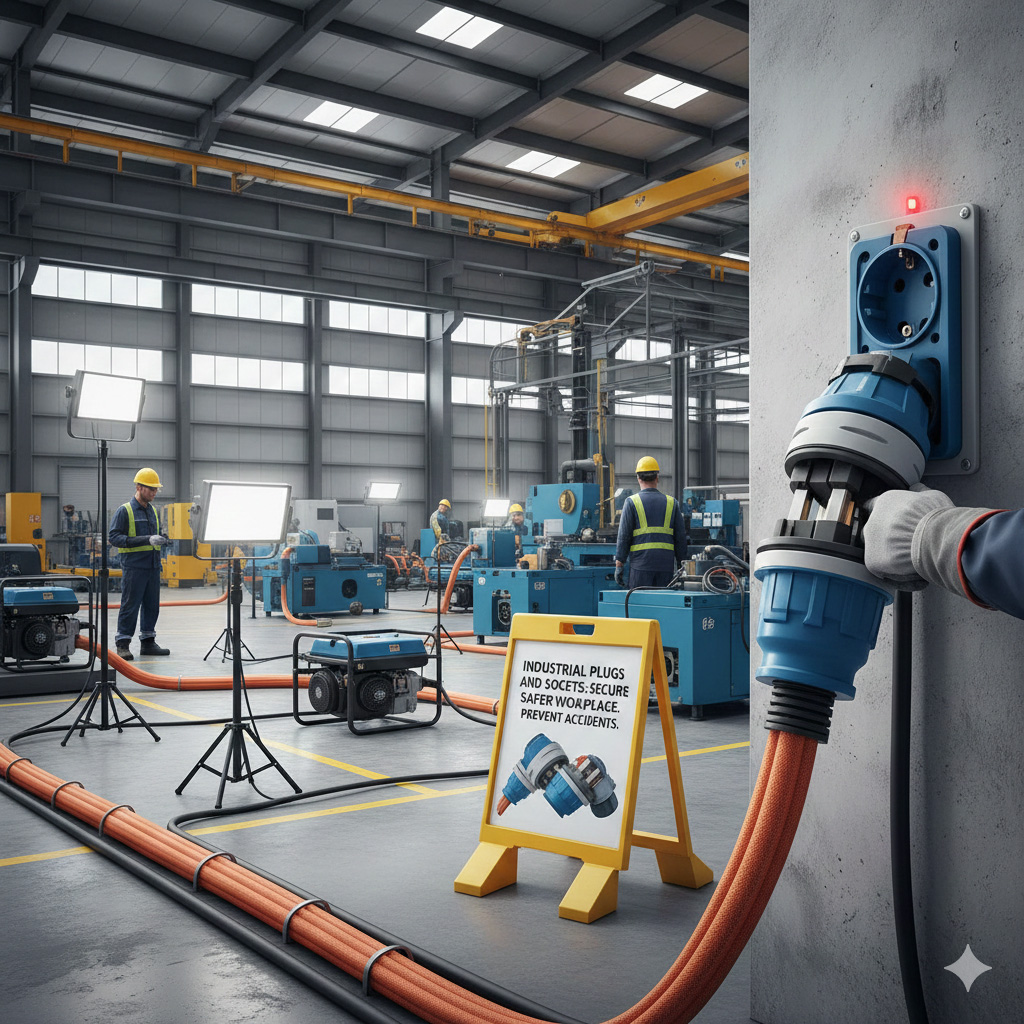
    Industrial Plugs and Sockets Improving Worksite Safety

    Industrial environments demand equipment that performs consistently, safely, and efficiently. Because of this, choosing the right Industrial Plugs and Sockets becomes essential. Many companies underestimate their value, yet these simple power connectors influence everything—from operational safety to equipment lifespan. Therefore, this comprehensive guide explains why modern industrial plugs and sockets matter, how they improve safety, how they extend equipment durability, and how to select the best models for long-term performance.

    Industrial Plugs and Sockets Improving Worksite Safety

    Why Industrial Plugs and Sockets Matter for Every Facility

    When businesses focus on productivity, they often forget the importance of proper electrical connectivity. However, Industrial Plugs and Sockets directly affect how consistently machinery runs. They also protect workers, reduce power loss, and prevent dangerous short circuits. Because these connectors handle heavy electrical loads, choosing reliable designs becomes crucial.

    Moreover, industrial worksites operate in harsh environments. Dust, moisture, chemicals, and extreme temperatures constantly threaten electrical systems. For that reason, using standard household connectors is not only risky but also potentially catastrophic. Industrial-grade plugs and sockets solve this issue by offering robust protection, stronger materials, and better resistance against harsh conditions.

    How Industrial Plugs and Sockets Maximize Safety

    Safety remains one of the most important considerations in every industrial setting. Fortunately, high-quality Industrial Plugs and Sockets significantly reduce risks. They do this in several ways.

    1. Enhanced Insulation and Heat Resistance

    Industrial plugs use rugged insulation materials that withstand continuous heat. As a result, they prevent overheating, which is a common cause of electrical fires. The improved thermal control also helps machines operate more efficiently.

    2. Secure Locking Systems Prevent Accidental Disconnection

    Loose or unstable electrical connections can shut down essential machines, damage motors, or expose workers to shocks. Industrial sockets include locking mechanisms that keep plugs firmly in place. Consequently, you get a stable and safe power supply even during vibration, movement, or heavy operation.

    3. IP-Rated Protection Guards Against Water and Dust

    Industrial environments often expose equipment to hazardous moisture or airborne particles. Because of this, IP-rated plugs and sockets have become indispensable. An IP67 or IP68 rating ensures reliable sealing against water splashes, dust buildup, and debris. Therefore, you maintain uninterrupted power no matter the conditions.

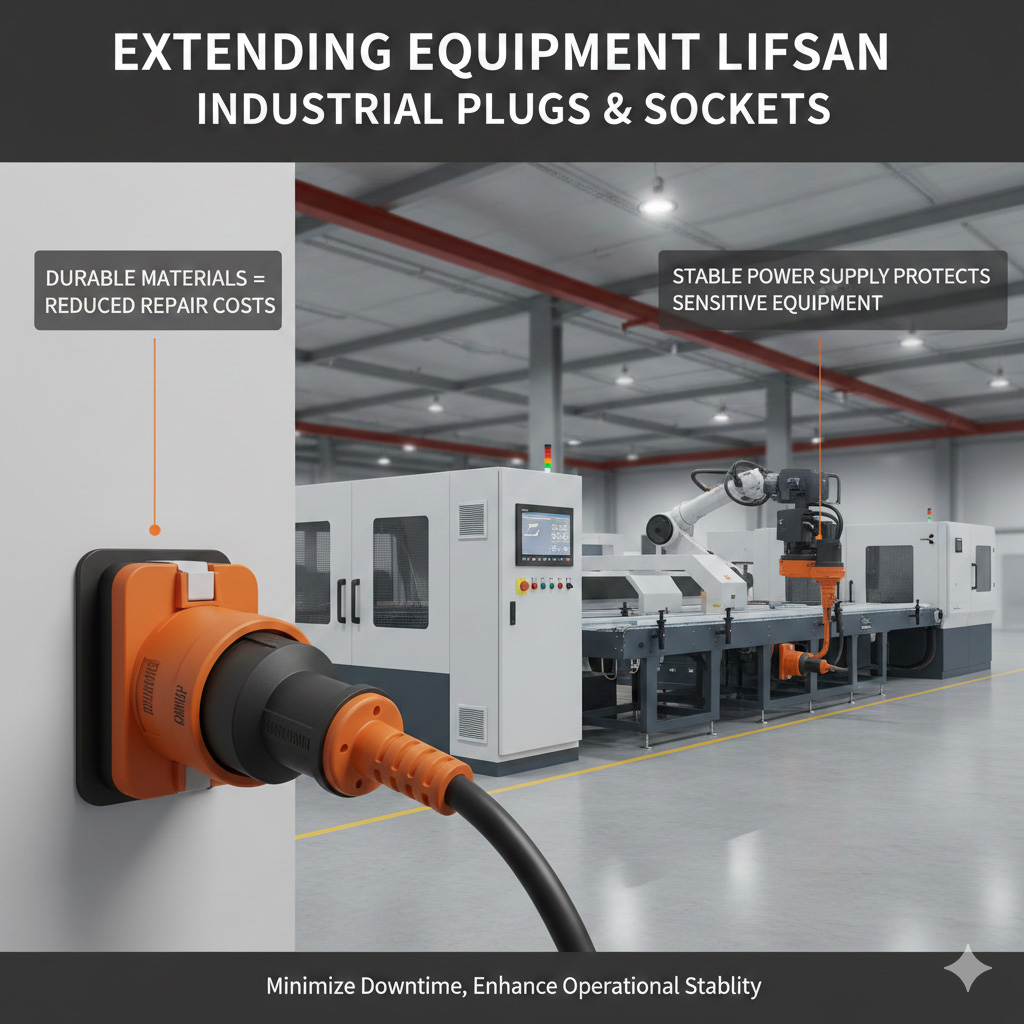
    The Role of Industrial Plugs and Sockets in Extending Equipment Lifespan

    The Role of Industrial Plugs and Sockets in Extending Equipment Lifespan

    Every business wants machines that last long and perform reliably. Fortunately, Industrial Plugs and Sockets contribute directly to equipment longevity. They reduce wear, minimize downtime, and enhance operational stability.

    Durable Materials Reduce Repair Costs

    Industrial plug and socket is crafted from heavy-duty thermoplastics, corrosion-resistant metals, and impact-proof components. As a result, they withstand years of continuous use. Their durability prevents frequent replacements and protects more expensive machinery connected to them.

    Stable Power Supply Protects Sensitive Equipment

    Sudden surges or drops in power can instantly damage motors, PLC systems, sensors, or automation panels. Therefore, high-quality connectors provide consistent voltage delivery. This stability ensures sensitive equipment avoids unnecessary strain, ultimately extending its operational life.

    Types of Industrial Plugs and Sockets and Their Advantages

    Industrial connectors come in wide varieties, each designed for specific needs. Therefore, understanding these types ensures you choose the right one for your facility.

    Heavy-Duty Industrial Plugs

    These Industrial plugs provide reliable power transmission for machinery that demands high wattage. Because they are built with reinforced shells, they resist impact and compressive force.

    Waterproof Industrial Sockets

    Designed for food processing plants, outdoor construction areas, marine sites, and chemical plants, these industrial sockets provide maximum safety. Their sealed design ensures moisture stays out, even in extreme conditions.

    Dustproof and Chemical-Resistant Models

    Facilities dealing with powders, fine particles, or corrosive substances benefit from dustproof connectors. They block contaminants that could compromise power flow.

    Key Features to Look for When Choosing Industrial Plugs and Sockets

    Key Features to Look for When Choosing Industrial Plugs and Sockets

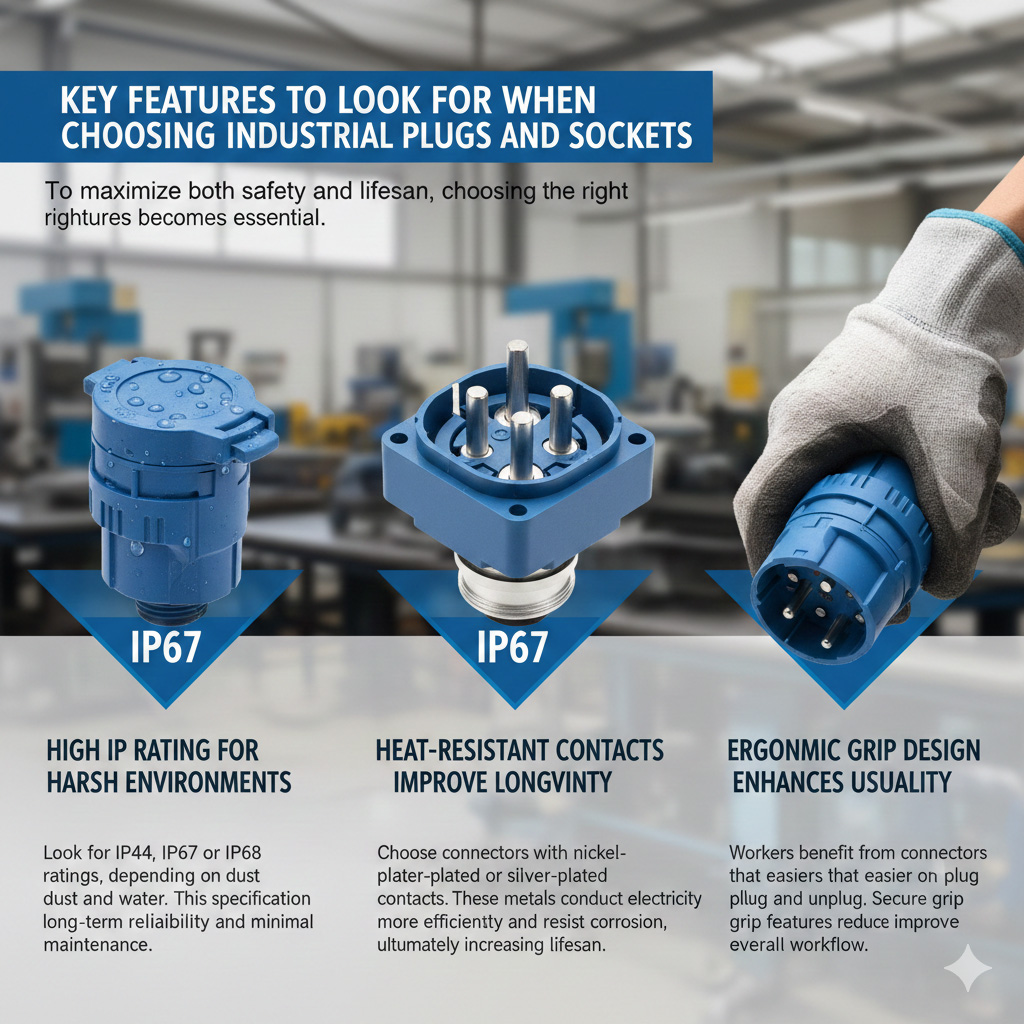
    To maximize both safety and lifespan, choosing the right features becomes essential.

    High IP Rating for Harsh Environments

    Look for IP44, IP67, or IP68 ratings, depending on exposure to dust and water. This specification ensures long-term reliability and minimal maintenance.

    Heat-Resistant Contacts Improve Longevity

    Choose connectors with nickel-plated or silver-plated contacts. These metals conduct electricity more efficiently and resist corrosion, ultimately increasing lifespan.

    Ergonomic Grip Design Enhances Usability

    Workers benefit from connectors that are easier to plug and unplug. Secure grip features reduce slippage and improve overall workflow.

    Best Applications for Industrial Plugs and Sockets

    Industrial connectors are widely used across multiple industries. Because they adapt to different environments, they serve as essential power solutions.

    Manufacturing Plants and Production Lines

    Machines run continuously, and stable connections ensure uninterrupted production.

    Construction Sites and Mining Areas

    Rugged connectors withstand heavy loads and extreme outdoor conditions.

    Food Processing and Cold Storage Facilities

    Waterproof connectors prevent contamination and ensure temperature-controlled machinery operates safely.

    Chemical and Pharmaceutical Industries

    Chemical-resistant designs protect equipment from hazardous exposure.

    Benefits of Investing in High-Quality Industrial Plugs and Sockets

    Choosing premium models may seem costly initially. However, the long-term advantages significantly outweigh the investment.

    Reduced Downtime and Workflow Interruptions

    Stable power prevents unexpected shutdowns. Because downtime leads to financial loss, reliable connectors quickly pay for themselves.

    Lower Maintenance and Replacement Costs

    Strong materials and better insulation reduce wear. Consequently, equipment runs longer without failures.

    Improved Workplace Safety Compliance

    High-quality connectors help businesses meet safety regulations and reduce accident risks.

    Conclusion:

    Why Industrial Plugs and Sockets Must Be a Priority

    To summarize, choosing durable and reliable Industrial Plugs and Sockets significantly improves workplace safety, reduces downtime, and extends equipment lifespan. These connectors may appear simple, yet they hold the power to transform industrial performance. Because of their essential role in protecting workers and machinery, investing in the right connectors is not just smart—it is necessary. When businesses prioritize high-quality industrial plug and sockets, they create a safer, more efficient, and long-lasting operational environment.

    Choosing the Right Industrial Plug and Sockets for Your Site - Holard

    Choosing the Right Industrial Plug and Sockets for Your Site

    Industrial Plug and Sockets: A Complete Guide for Modern Industrial Needs

    Industrial environments demand equipment that performs reliably, safely, and efficiently. Therefore, Industrial Plug and Sockets play a major role in powering factories, heavy machinery, and large energy-driven operations. While many businesses focus on machines, they often overlook the importance of high-quality electrical connections. Yet, these small components determine whether equipment runs safely and without interruption.

    In this guide, we will explore everything you need to know, including Choosing the Right Industrial Plug and Sockets for Your Site, installation insights, safety factors, and how to ensure top-tier performance.

    Choosing the Right Industrial Plug and Sockets for Your Site India - Holard

    Understanding Industrial Plug and Sockets and Their Critical Importance

    Industrial facilities operate in conditions that vary from heavy vibration to heat, moisture, dust, and chemicals. Because of this, regular household connectors cannot withstand such environments. That’s why industries rely on specialized connectors engineered for extreme conditions.

    These connectors ensure stable electrical flow, better mechanical strength, and secure locking systems. Additionally, they minimize downtime and prevent electrical hazards. As industrial technology evolves, efficient electrical connectivity has become even more crucial.

    Choosing the Right Industrial Plug and Sockets for Your Site

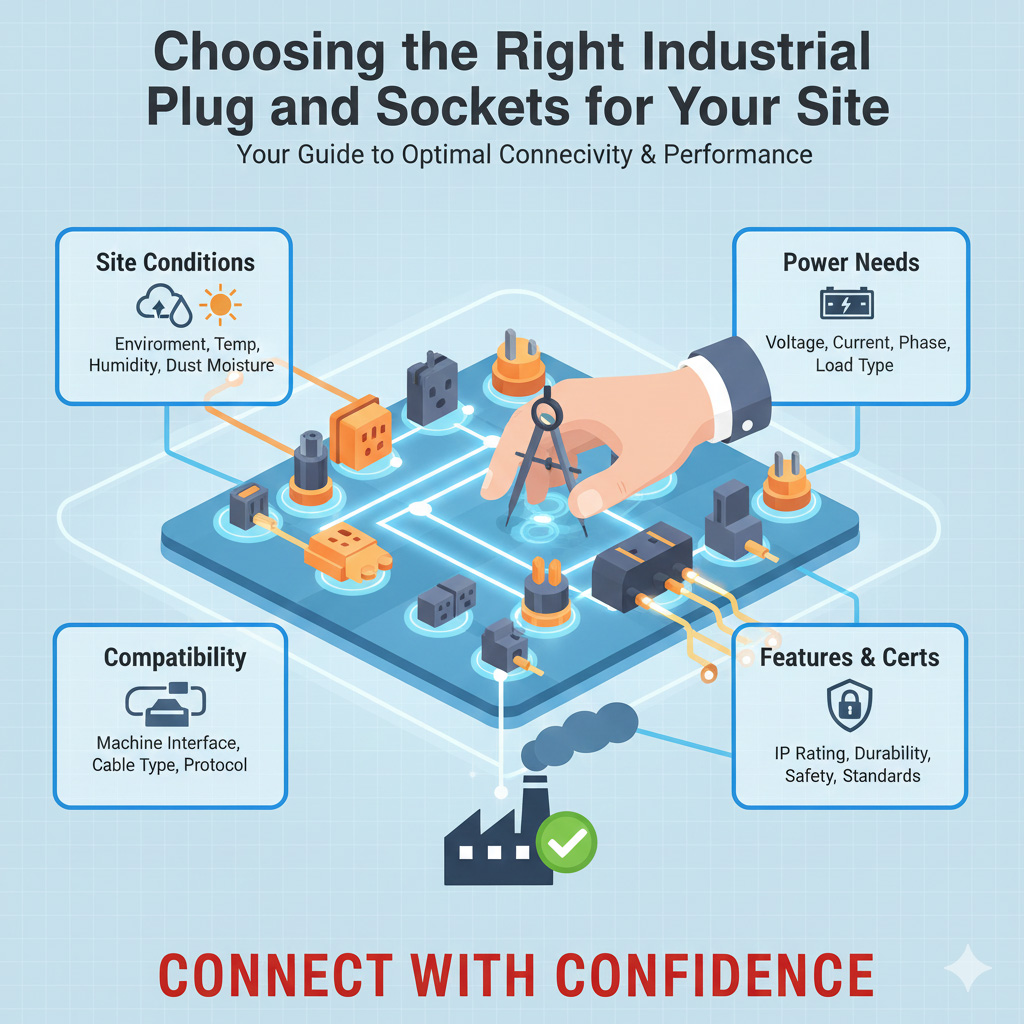
    Selecting the correct Electrical Plugs and Socket manufacturer like Holard ensures longer equipment life and safer operations. While some sites require waterproof connectors, others need chemical-resistant materials or higher current ratings. Consequently, the decision-making process must be systematic and based on real operational needs.

    Below, we explore the essential factors and help you make smarter decisions for your facility.

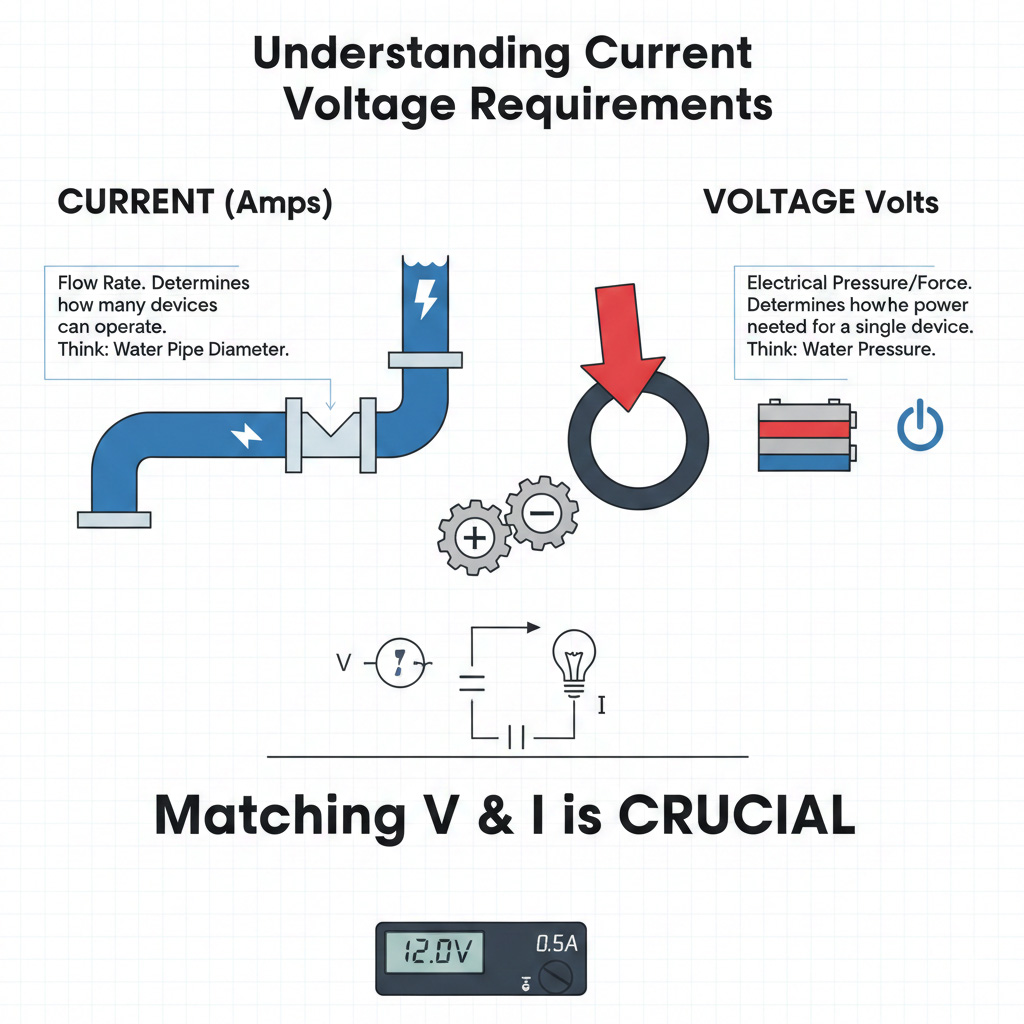
    1. Understanding Current and Voltage Requirements

    Before purchasing any connector, you must define the power consumption of your equipment. Because wrong ratings can cause overheating, you should always choose Industrial Plug and Sockets that match your operational load.
    Higher-powered equipment needs connectors built to support heavy currents without performance issues.

    Understanding Current and Voltage Requirements - Holard India
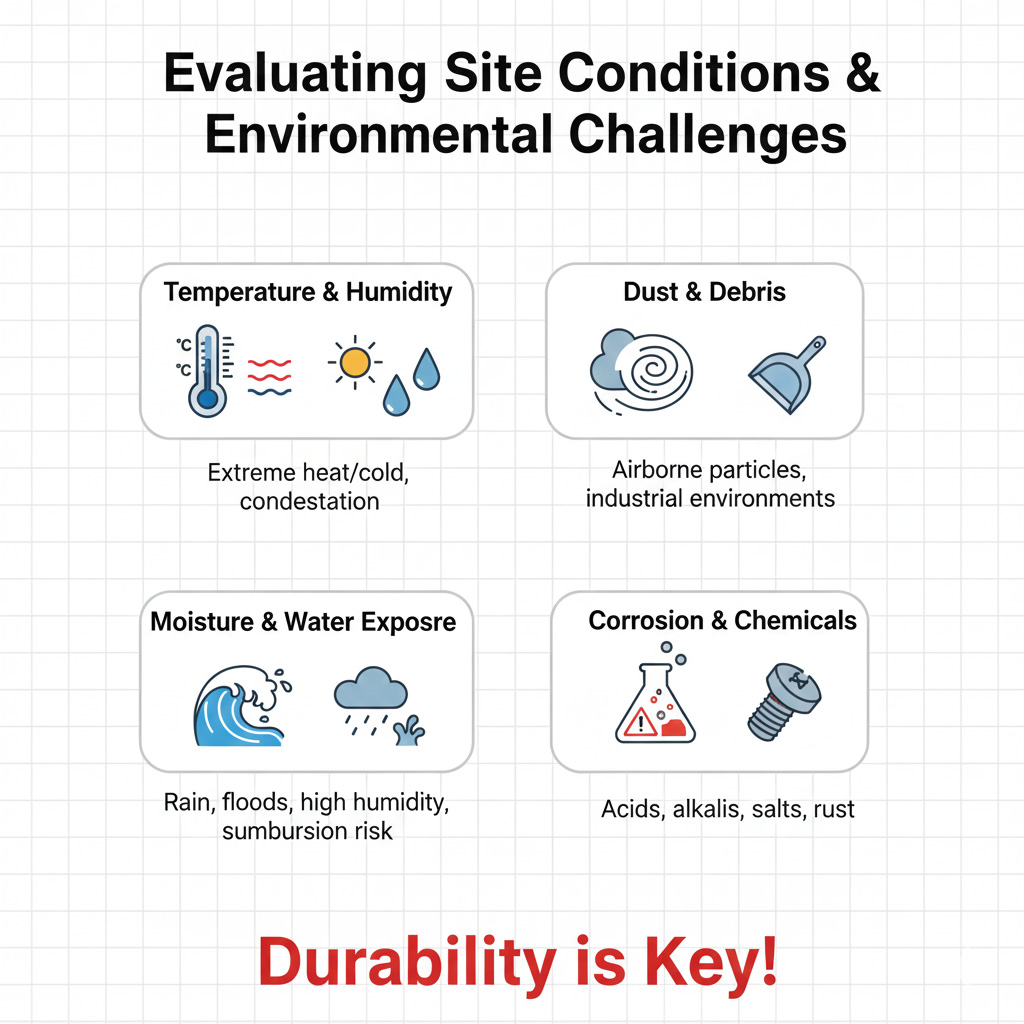
    Evaluating Site Conditions and Environmental Challenges - Holard India

    2. Evaluating Site Conditions and Environmental Challenges

    Humidity, dust, chemical exposure, and temperature fluctuations significantly affect connector performance. Therefore, analyze the site conditions carefully.
    For example:

    • High-moisture sites require waterproof (IP67/IP68) connectors.

    • Chemical-intensive facilities need corrosion-resistant housings.

    • Outdoor operations call for UV-resistant materials.

    Understanding these elements makes Choosing the Right Industrial Plug and Sockets for Your Site a straightforward step.

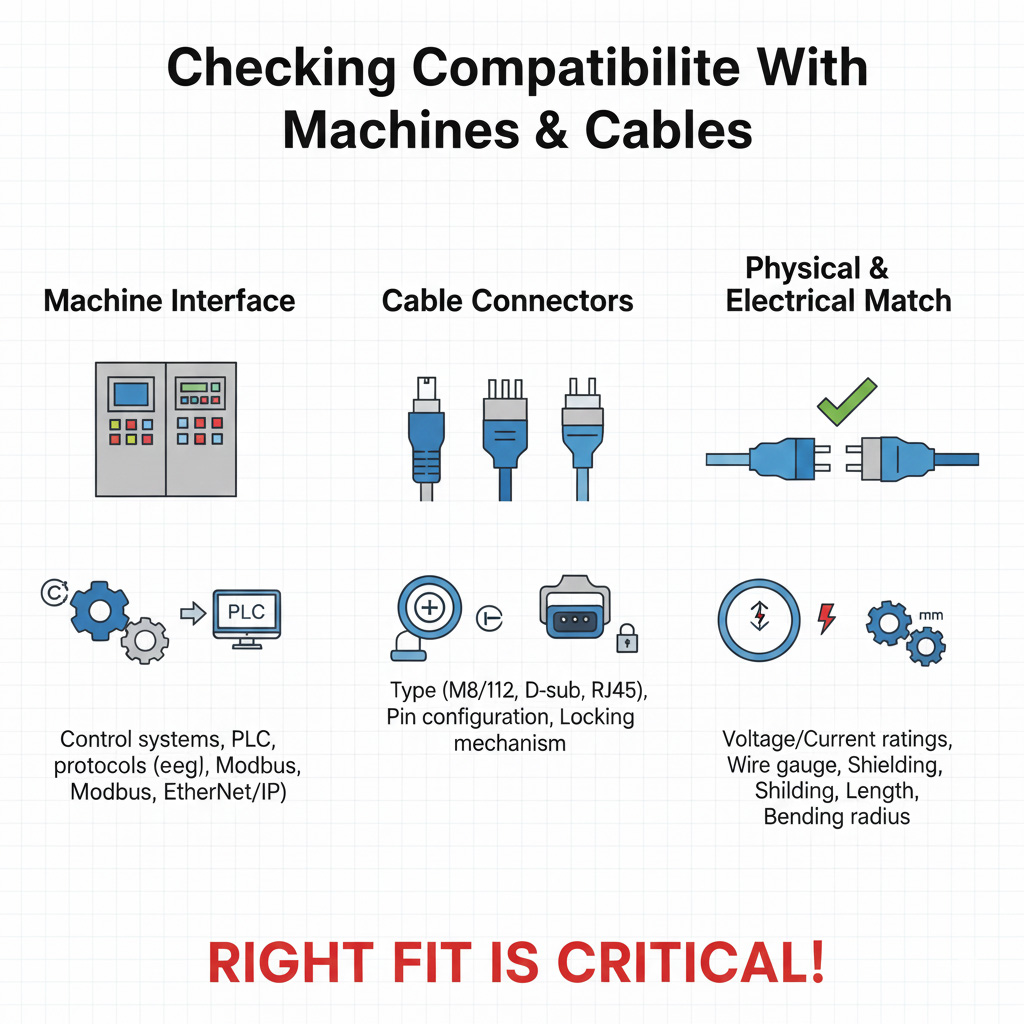
    3. Checking the Compatibility With Machines and Cables

    Industrial equipment varies greatly. Because of this, always ensure the plug and socket pair is compatible with cable thickness, insulation type, and machine ports.
    Correct compatibility prevents electrical loss and ensures uninterrupted performance.

    Checking the Compatibility With Machines and Cables - Holard India

    Different Types of Industrial Plug and Sockets Used in Industries

    Industrial connectors come in several forms with unique benefits. Each type offers something distinctive, so exploring them helps you find what works best.


    1: Pin and Sleeve Connectors for Heavy-Duty Applications

    Pin and sleeve connectors are extremely durable. They provide mechanical strength and reliable locking systems. Additionally, these connectors are excellent for high-current appliances that operate continuously.
    Most factories prefer them due to their long lifespan and robust build quality.


    2: Waterproof Connectors for Outdoor and Harsh Locations

    Operations that involve water, dust, or outdoor exposure rely on waterproof connectors. Their IP-rated sealing keeps moisture out, preventing short circuits. This design ensures safe electrical continuity even in wet conditions.
    Waterproof Industrial Plug and Sockets are ideal for construction, agriculture, and marine applications.


    3: High-Temperature Resistant Connectors for Industrial Heat Zones

    Some industries operate near furnaces, boilers, steam lines, or high-temperature machinery. In such environments, heat-resistant connectors maintain stability and prevent melting or failure.
    This capability keeps both equipment and workers safe.

    Key Features to Look for in Reliable Industrial Plug and Sockets

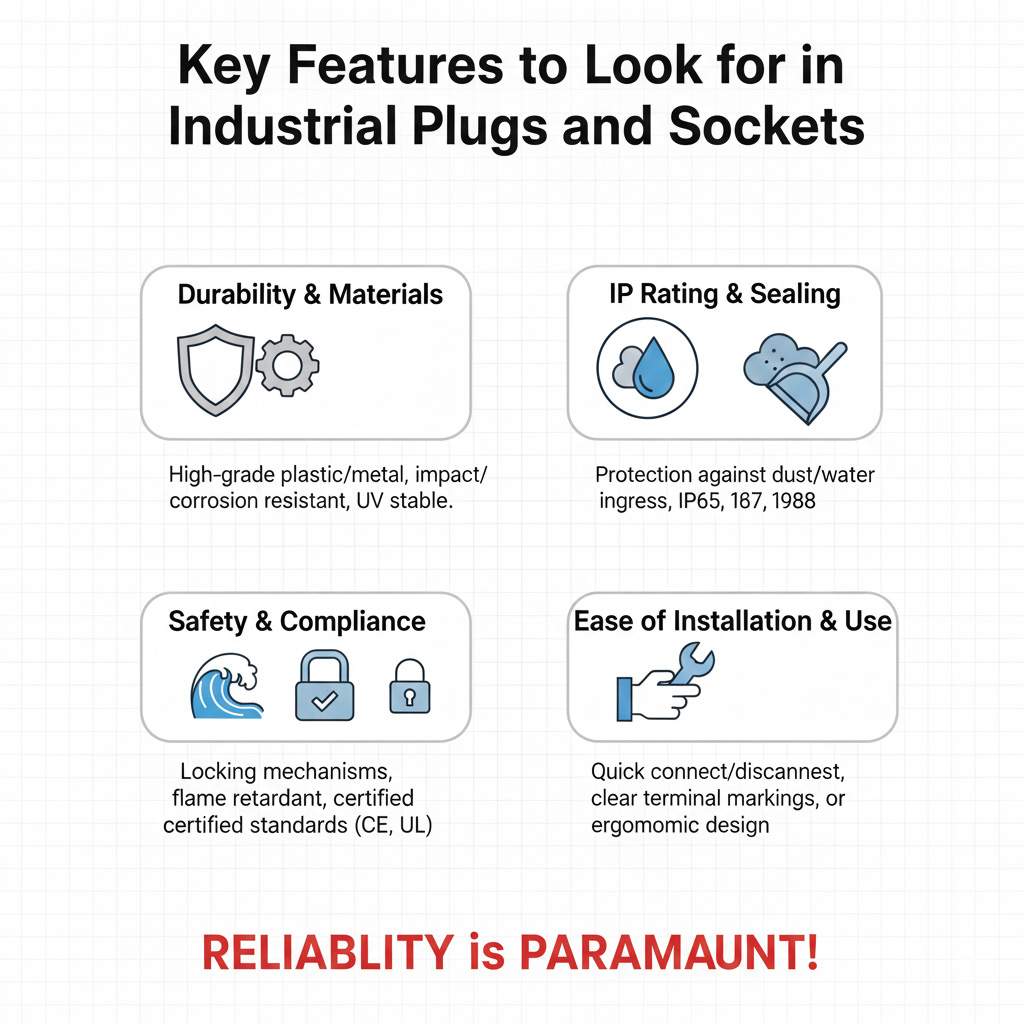
    Key Features to Look for in Reliable Industrial Plugs and Sockets - Holard India

    Durability

    Industrial environments are demanding. Therefore, connectors must withstand impact, vibration, and long hours of active operation.

    Locking Mechanisms

    A strong locking system ensures cables do not disconnect accidentally. This prevents downtime and increases operational reliability.

    Material Strength

    High-grade plastic, rubber, or metal housings protect against corrosion, extreme temperatures, and chemicals.

    Ease of Installation

    Connectors designed with ergonomic grips and clear markings simplify installation. Workers can maintain them quickly without specialized tools.

    Benefits of Installing High-Quality Industrial Plug and Sockets

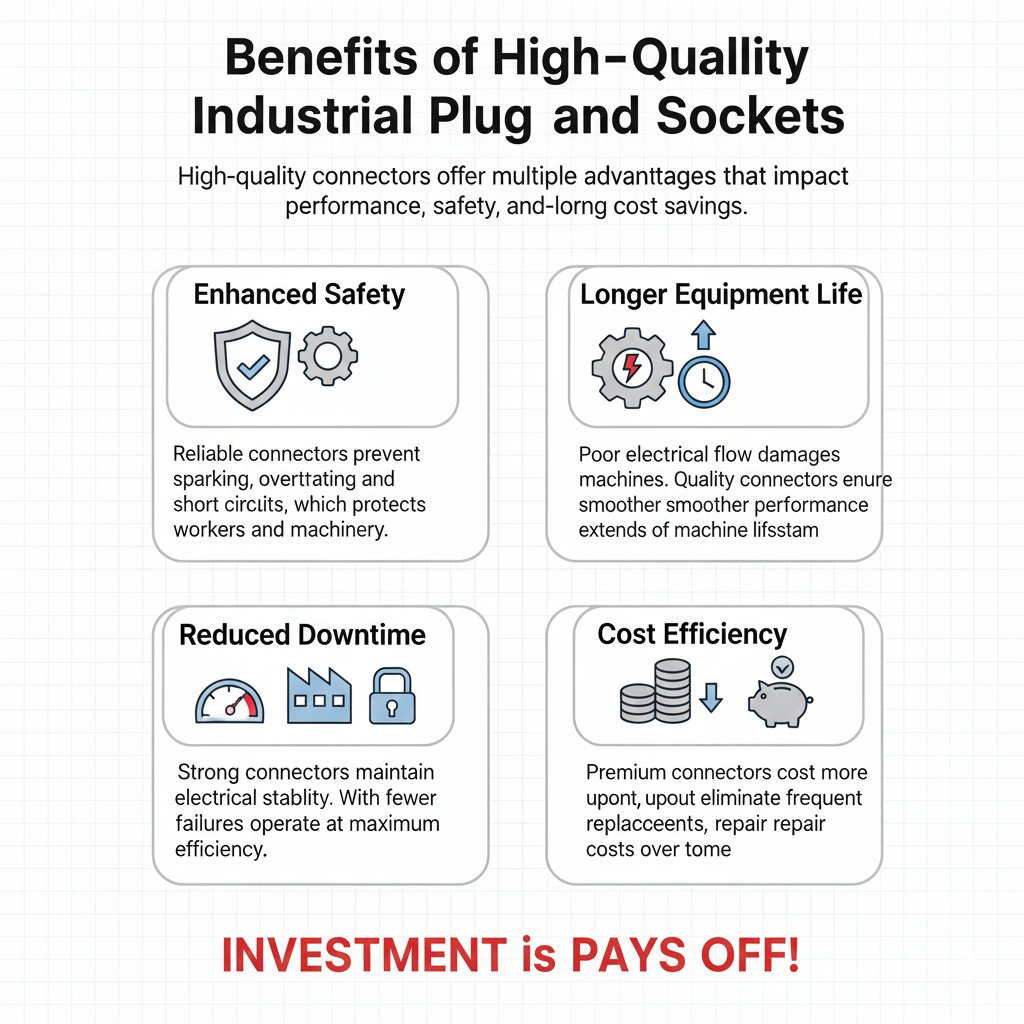
    Benefits of Installing High-Quality Industrial Plug and Sockets - Holard India

    High-quality connectors offer multiple advantages that impact performance, safety, and long-term cost savings.

    Enhanced Safety

    Reliable connectors prevent sparking, overheating, and short circuits, which protects workers and machinery.

    Longer Equipment Life

    Because poor electrical flow damages machines, using quality connectors ensures smoother performance and extends machine lifespan.

    Reduced Downtime

    Strong connectors maintain electrical stability. With fewer failures, industries operate at maximum efficiency.

    Cost Efficiency

    Though premium connectors cost more upfront, they eliminate frequent replacements and repair costs over time.

    Common Mistakes to Avoid When Choosing Industrial Plug and Sockets

    While selecting connectors, companies sometimes rush the process. These mistakes reduce safety and increase operational issues.

    Choosing Incorrect Voltages

    Always match voltage ratings with equipment specifications to prevent overload.

    Ignoring IP Ratings

    Ignoring environmental conditions leads to corrosion or water damage.

    Buying Low-Quality Material

    Cheap connectors fail quickly and may cause major electrical hazards.

    Overlooking Inspection Requirements

    Regular inspection helps identify wear, cracks, or loose connections early.

    Best Practices for Installing and Maintaining Industrial Plug and Sockets

    Perform Routine Inspections

    Check connectors regularly for discoloration, heat marks, or loose contacts. Early detection prevents damage.

    Clean Connectors Periodically

    Keeping connectors dust-free ensures proper conductivity.

    Replace Damaged Components Immediately

    Even small cracks or burns can compromise safety.

    Ensure Proper Training

    Technicians should always follow installation guidelines and electrical standards.

    Final Thoughts

    Final Thoughts on Choosing the Right Industrial Plug and Sockets for Your Site

    Industrial facilities depend on stable, secure, and powerful electrical connections. Therefore, selecting the right connectors is not just a technical choice—it is a strategic business decision. When you understand equipment needs, evaluate environmental factors, and choose high-quality materials, you significantly reduce risk and increase productivity.

    Whether your operation requires waterproof solutions, heavy-duty locking systems, or high-temperature resistance, the right choice ensures long-term performance. By focusing on these elements, Choosing the Right Industrial Plug and Sockets for Your Site becomes simpler, safer, and more reliable.

    Industrial Plug and Sockets Designed for Heavy-Duty Use - Holard

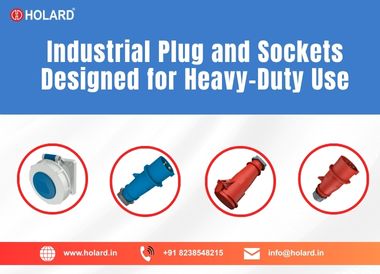
    Industrial Plug and Sockets Designed for Heavy-Duty Use

    Industrial Plug and Sockets Designed for Heavy-Duty Use in India

    Industrial growth in India is driving demand for reliable electrical connections. Companies depend on strong power systems that can handle heavy loads. Industrial plug and sockets designed for heavy-duty use in India are the backbone of this demand. These products ensure safety, efficiency, and performance across factories, plants, and warehouses.

    Why Industrial Plug and Sockets Matter in India

    Industries rely on consistent and stable power supply. A small electrical failure can bring entire operations to a halt. Heavy-duty industrial plug and sockets in India provide the durability required to handle high voltage and current. They safeguard workers, machines, and production lines from hazards.

    Key Features of Heavy-Duty Industrial Plug and Sockets

    Heavy-duty plugs and sockets are designed with specific qualities that set them apart from regular ones.

    1. Durability Under Tough Conditions

    These products resist dust, water, and mechanical stress. Industries in India often face harsh environments, so robust designs are essential.

    2. High Load Capacity

    Heavy-duty sockets carry large currents without overheating. They keep power stable, even during peak operational hours.

    3. Safety and Reliability

    They prevent electric shocks, short circuits, and fire risks. This reliability is crucial for industries like manufacturing, mining, and construction.

    Applications of Industrial Plug and Sockets in India

    Manufacturing Industry

    Factories need uninterrupted electricity. Heavy-duty plug and sockets provide stable power to machines running round the clock.

    Construction Projects

    On-site equipment like drills and cranes require rugged power solutions. Heavy-duty sockets ensure safe power transfer on busy sites.

    Food and Beverage Sector

    Processing units use large electrical machines. Reliable plugs and sockets protect sensitive equipment from sudden failures.

    Choosing the Right Industrial Plug and Sockets in India

    The right choice depends on the type of industry, load capacity, and safety requirements.

    Understand Voltage and Current Needs

    Select a socket that matches your power demand. Using under-rated products may cause overheating.

    Check Certification Standards

    Always buy products that meet Indian and international safety standards. Certified sockets offer assurance of quality and durability.

    Material and Build Quality

    Strong materials like polycarbonate and thermoplastic ensure long life. A solid build resists wear and tear under heavy use.

    Advantages of Heavy-Duty Industrial Plug and Sockets in India

    Enhanced Productivity

    With stable power, machines run without unexpected stops. This keeps production lines active and efficient.

    Reduced Downtime

    Fewer electrical failures mean less downtime. Industries save time and money when they invest in the right equipment.

    Improved Workplace Safety

    Heavy-duty plugs and sockets minimize the risk of electrical accidents. Workers feel safer in environments powered by reliable systems.

    Latest Trends in Industrial Plug and Sockets India

    Smart Integration

    Many new plugs and sockets support smart monitoring. They allow industries to track energy consumption in real-time.

    Eco-Friendly Materials

    Manufacturers are adopting recyclable materials to support sustainability. Eco-friendly solutions are gaining attention across India.

    Compact Yet Strong Designs

    Modern designs combine durability with space efficiency. Industries save installation space without compromising safety.

    Why India is a Hub for Industrial Plug and Sockets

    India is rapidly expanding in sectors like manufacturing, energy, and infrastructure. This growth fuels the demand for advanced power solutions. Local manufacturers provide cost-effective and high-quality heavy-duty sockets to meet global standards.


    Final Thoughts

    Top Industries Benefiting from Heavy-Duty Plugs and Sockets

    Industrial plug and sockets designed for heavy-duty use in India are vital for powering industries. They ensure safety, efficiency, and reliability under demanding conditions. From construction to mining, every sector benefits from durable and smart power solutions. Choosing the right product enhances productivity, reduces downtime, and protects workers. With India’s growing industrial landscape, these heavy-duty solutions will remain essential for progress.


    ×

    Buy Industrial Plug and Socket at Best Price in India, Ahmedabad

      error: Content is protected !!