
The Future of Heavy Duty Extension Cable Manufacturing: India’s Role in 2026
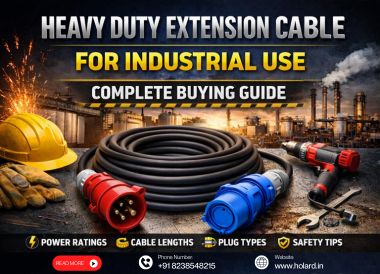
Industrial environments demand reliable power. Machines run for long hours. Tools operate under heavy load. Moreover, workers depend on uninterrupted electricity to maintain productivity and safety. Therefore, choosing the right Extension Cable for industrial use is not just a purchase decision — it is a safety and performance investment.
In this complete buying guide, you will learn how to select the right heavy-duty cable, what technical factors matter most, how to avoid common mistakes, and how to maximize durability. Whether you manage a factory, construction site, warehouse, or manufacturing unit, this guide will help you make a confident and informed decision.
Understanding Extension Cable for Industrial Applications
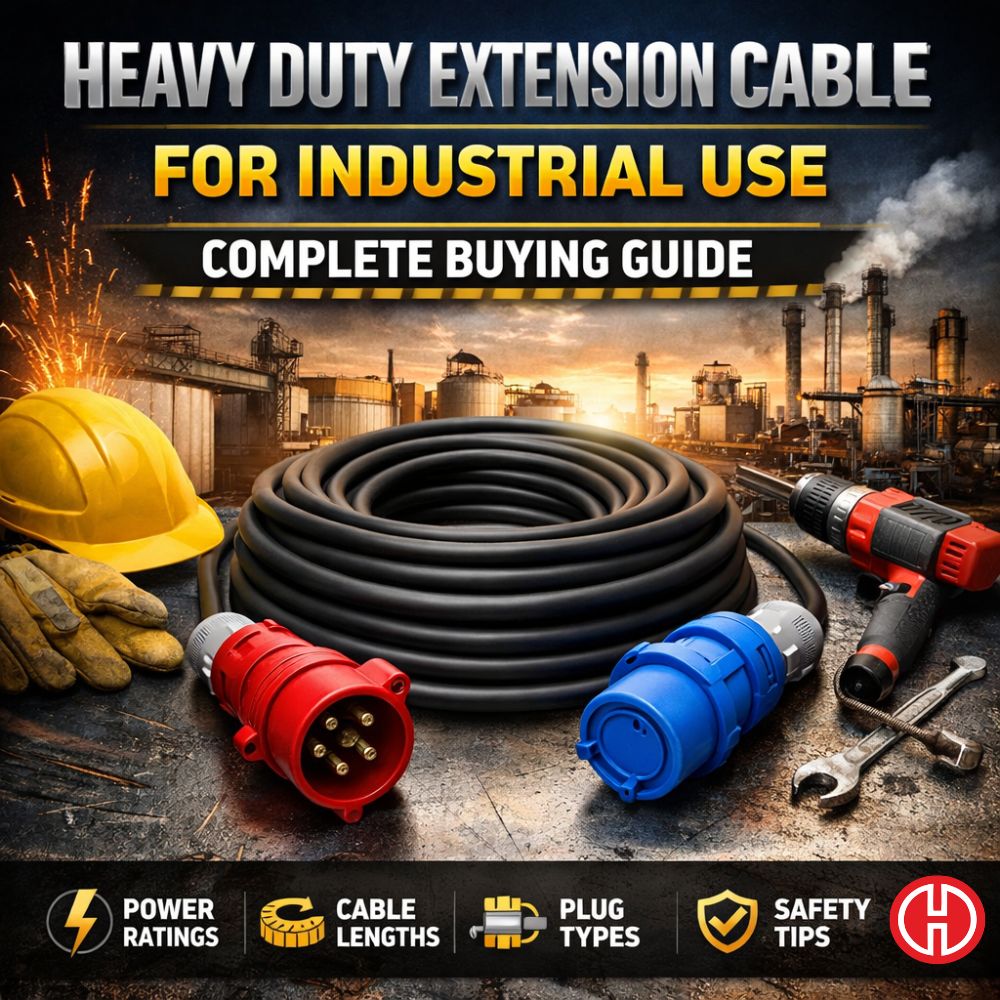
Industrial environments demand far more than ordinary household wiring. Heavy machinery, welding equipment, generators, compressors, and high-load devices require stable current flow and rugged insulation. As a result, selecting the right Extension Cable becomes a strategic decision rather than a simple purchase.
Unlike domestic cables, industrial models are engineered to:
- Handle high voltage and amperage
- Resist mechanical stress and abrasion
- Withstand extreme temperatures
- Prevent moisture penetration
- Support continuous load operations
Because industrial power usage remains consistent and heavy, the cable must maintain conductivity without overheating. Poor-quality materials are often used in low-cost alternatives. Consequently, voltage drops and insulation failures occur more frequently.
Key Differences Between Domestic and Industrial Extension Cables
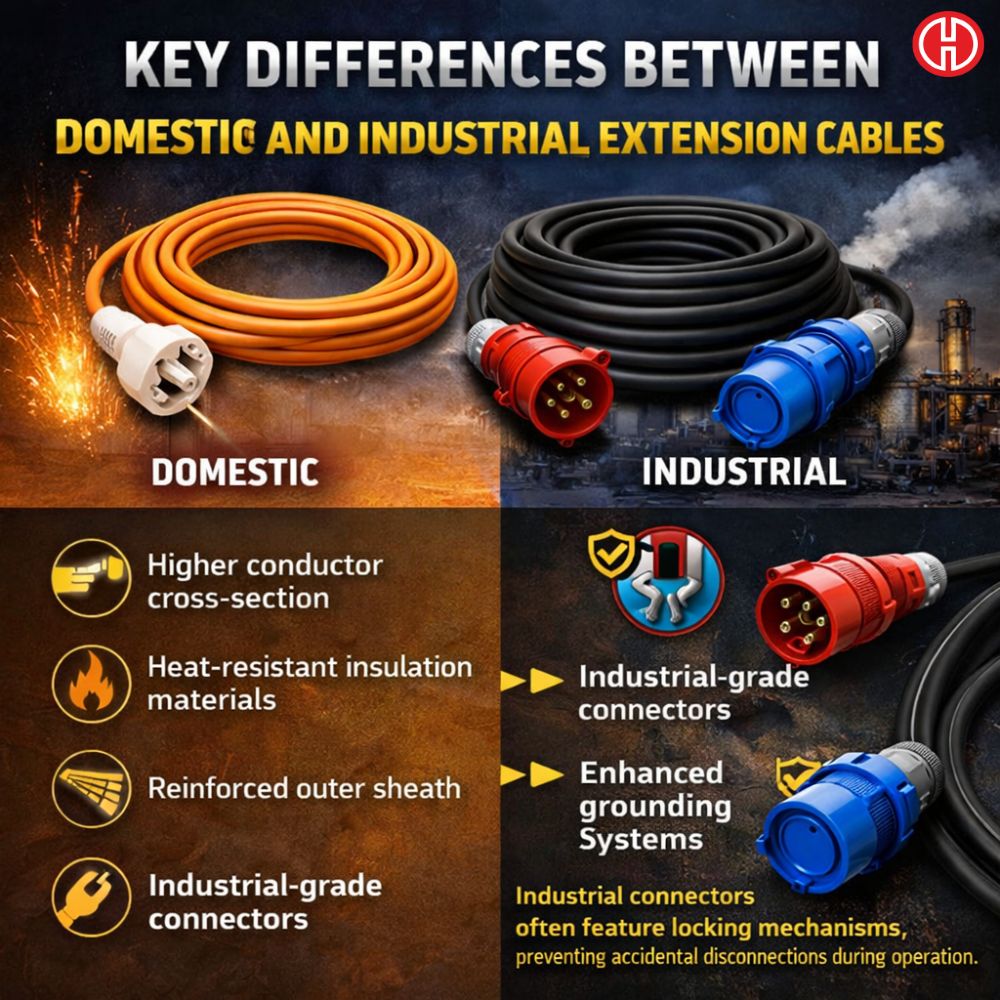
Many buyers assume that a thicker cable automatically means better performance. While thickness matters, industrial-grade products differ in more ways:
- Higher conductor cross-section
- Heat-resistant insulation materials
- Reinforced outer sheath
- Industrial-grade connectors
- Enhanced grounding systems
Additionally, industrial connectors often feature locking mechanisms. This prevents accidental disconnection during operation.
Why Load Capacity Matters Most For Extension Cable
Load capacity determines how much electrical current the cable can safely carry. If you exceed this rating, overheating occurs. Over time, insulation weakens. Eventually, equipment damage may happen.
Therefore, always calculate:
- Total wattage of connected equipment
- Voltage supply
- Current rating (Amps)
- Duty cycle duration
For example, a welding machine running continuously demands a different cable specification compared to a temporary lighting setup.
How to Choose the Right Extension Cable for Heavy Equipment India
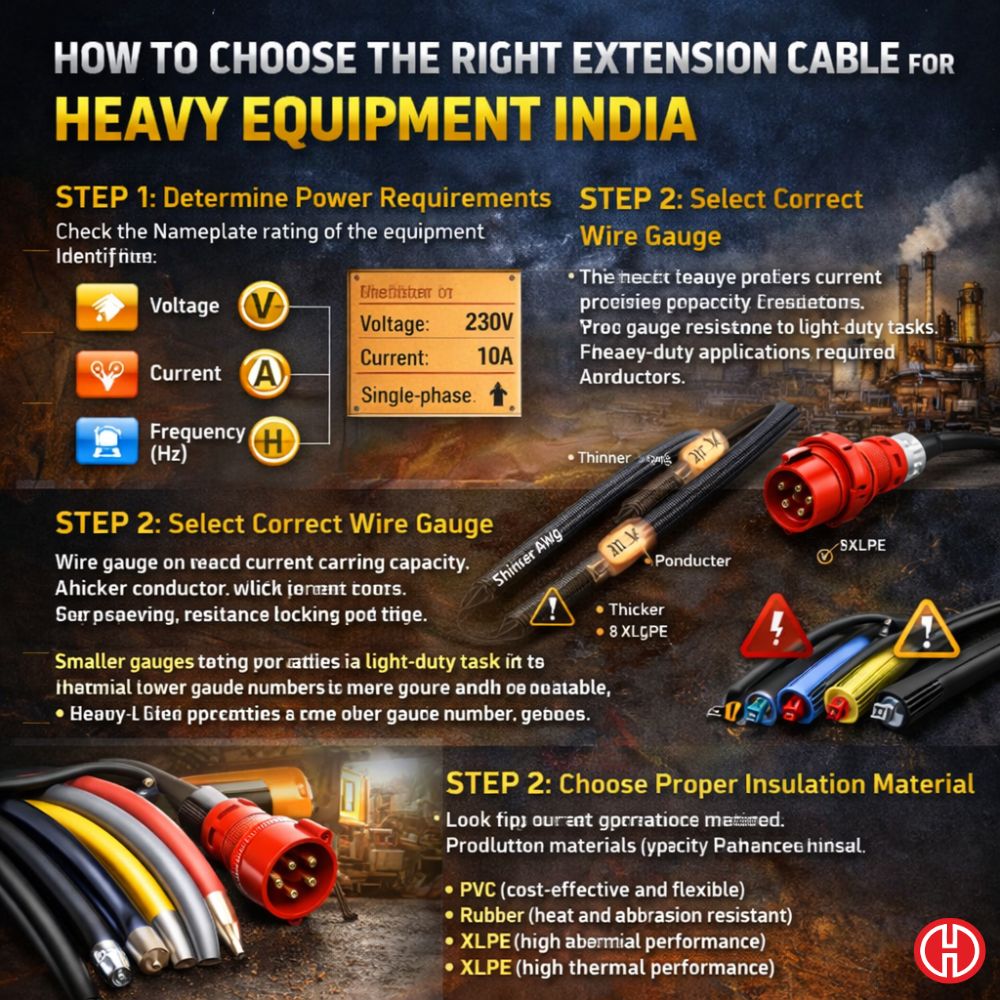
Selecting the proper Extension Cable requires attention to technical details. However, if you follow a systematic process, the decision becomes much easier.
Step 1: Determine Power Requirements
Start by checking the nameplate rating of your equipment. Identify:
- Voltage (V)
- Current (A)
- Frequency (Hz)
- Phase type (Single-phase or Three-phase)
Industrial facilities often rely on three-phase systems because they deliver stable power for heavy machinery.
Step 2: Select Correct Wire Gauge
Wire gauge directly affects current carrying capacity. Thicker conductors reduce resistance. Consequently, less heat builds up during operation.
Smaller gauges are typically used for light-duty tasks. In contrast, heavy-duty applications require lower gauge numbers (which mean thicker wires).
If you choose a cable that is too thin, voltage drop increases. Equipment performance decreases. Energy efficiency suffers.
Step 3: Choose Proper Insulation Material
Industrial cables operate in harsh conditions. Therefore, insulation quality becomes critical.
Common materials include:
- PVC (cost-effective and flexible)
- Rubber (heat and abrasion resistant)
- XLPE (high thermal performance)
- Polyurethane (oil and chemical resistant)
Each material serves a specific environment. For example, rubber insulation performs well in construction sites, while polyurethane works better in oil-exposed areas.
Step 4: Check Environmental Ratings
Outdoor environments require weather-resistant designs. Moisture, dust, and chemicals can degrade standard insulation quickly.
Look for:
- IP ratings (Ingress Protection)
- UV resistance
- Flame-retardant certification
- Oil-resistant jackets
Without these protections, performance can be compromised.
Extension Cable Safety Guidelines for Industrial Sites
Safety should never be treated as optional. Even high-quality equipment becomes dangerous if installed improperly.
Avoid Overloading
Never connect equipment that exceeds rated capacity. When cables are overloaded, heat builds up rapidly. Although short-term use may seem safe, long-term exposure damages insulation.
Instead, calculate the total amperage before connecting devices.
Prevent Coiling During Operation
When a cable remains coiled under load, heat cannot dissipate effectively. As a result, internal temperature rises significantly.
Always uncoil the cable fully before use.
Inspect Regularly
Industrial environments expose cables to mechanical damage. Therefore, schedule routine inspections.
Look for:
- Cracks in insulation
- Exposed copper
- Burn marks
- Loose connectors
If damage is detected, replace the cable immediately.
Use Proper Connectors
Industrial-grade plugs and sockets ensure secure connections. Loose fittings can cause arcing. Over time, this may result in serious hazards.
Types of Industrial Extension Cable Using in India
Different applications require different configurations. Therefore, understanding the main types helps buyers choose wisely.
1. Single-Phase Industrial Cables
These cables support lighter industrial equipment. They are commonly used in:
- Portable tools
- Small compressors
- Lighting systems
2. Three-Phase Extension Solutions
Three-phase systems deliver consistent and efficient power. Heavy equipment such as:
- CNC machines
- Industrial pumps
- Large motors
depend on these configurations.
3. Armored Cables
In environments where mechanical damage risk is high, armored cables provide additional protection. Steel wire armor shields internal conductors from impact.
4. Flexible Rubber Cables
These cables offer enhanced flexibility. As a result, they perform well in construction environments where frequent movement occurs.
Benefits of Investing in High-Quality Extension Cable
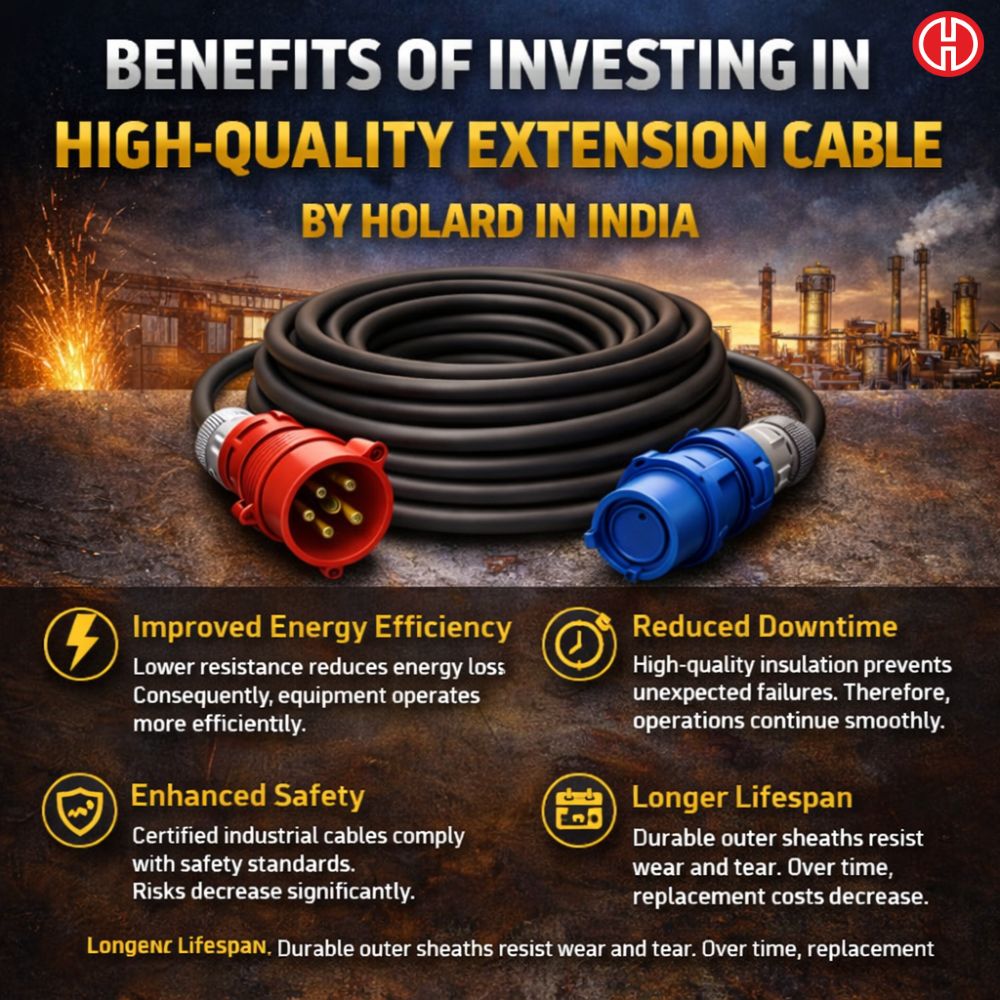
Choosing a premium Extension Cable delivers measurable long-term advantages.
Improved Energy Efficiency
Lower resistance reduces energy loss. Consequently, equipment operates more efficiently.
Reduced Downtime
High-quality insulation prevents unexpected failures. Therefore, operations continue smoothly.
Enhanced Safety
Certified industrial cables comply with safety standards. Risks decrease significantly.
Longer Lifespan
Durable outer sheaths resist wear and tear. Over time, replacement costs decrease.
Common Buying Mistakes to Avoid
Even experienced buyers sometimes overlook critical details.
Ignoring Voltage Drop
Long cable lengths increase resistance. As a result, voltage drop occurs. Equipment performance may decline.
Choosing Based on Price Alone
Cheap cables often use lower copper content. Although they appear similar, performance differs significantly.
Overlooking Certification
Always verify compliance with recognized standards. Certified products undergo safety testing.
Maintenance Tips to Extend Cable Life
Proper maintenance increases durability and performance.
Store Properly
Keep cables in dry, shaded areas. Avoid sharp bends.
Clean After Use
Dust and debris can weaken insulation over time.
Avoid Pulling by the Cord
Always disconnect by holding the plug, not the cable itself.
How Industrial Extension Cable Supports Productivity
Reliable power delivery directly influences productivity. When equipment receives stable current, operations remain consistent. Workers avoid interruptions. Deadlines are met. Furthermore, safety compliance improves workplace confidence. Employees operate machinery without fear of electrical hazards.
Choosing the Right Extension Cables for Industrial Use in India: Final Thoughts with Holard
Selecting the right extension cable for industrial applications goes beyond mere connectivity. It’s about ensuring safety, maximizing efficiency, enhancing durability, and maintaining operational stability. By considering factors like load capacity, insulation quality, environmental resistance, and compliance certifications, you significantly reduce potential risks.
As the top and most trusted heavy-duty extension cable manufacturer in Ahmedabad, Holard offers premium cables that safeguard your valuable machinery. Choosing high-quality materials from Holard not only saves costs but also minimizes downtime, boosting long-term productivity.
If you operate in demanding environments, never compromise on the integrity of your power infrastructure. With Holard, you can make an informed decision, prioritize safety, and ensure your electrical systems are aligned with your productivity goals. Trust Holard for unmatched reliability, supplying top-quality cables across India at the best prices.